What is stakeholder management? A complete guide for project managers
Introduction
Every project brings together leaders, teams, and partners with different goals and expectations. Without clear stakeholder management, decisions slow down, priorities shift, and delivery loses momentum. Project managers who manage stakeholders well create alignment across teams and keep execution focused on shared outcomes. Stakeholder management provides a structured approach to identifying stakeholders, understanding their influence, and maintaining consistent communication. This guide explores what stakeholder management is in project management, why it matters for modern teams, and how project managers can build an effective stakeholder management process.
What is stakeholder management?
Stakeholder management is the process of identifying, understanding, and aligning everyone who influences or is affected by a project. In project management, stakeholders include leaders, customers, cross-functional teams, partners, and anyone whose input or decisions shape project outcomes.
Effective stakeholder management helps project managers maintain clarity across priorities, expectations, and decisions from project planning to delivery. When stakeholders stay aligned, teams move faster, risks surface earlier, and project outcomes remain predictable.
Stakeholder management in project management
Stakeholder management in project management focuses on creating shared understanding between teams and decision-makers. Every project involves people with different goals, responsibilities, and success metrics. Project managers use stakeholder management to connect these perspectives and keep execution aligned with business objectives.
A structured stakeholder management process helps project managers:
- Identify who influences project success
- Understand stakeholder expectations and concerns
- Maintain consistent communication across teams
- Align decisions with project goals
- Build trust and accountability throughout delivery
This process continues throughout the project lifecycle rather than being limited to the kickoff or planning stages.
What stakeholder management includes in day-to-day project work
Stakeholder management shapes daily project management activities. Project managers engage stakeholders through regular updates, decision discussions, and expectation-setting conversations that keep work aligned with priorities.
Key activities include:
- Communication and visibility: Project managers share updates on progress, risks, and milestones so stakeholders stay informed and confident about delivery.
- Expectation setting and alignment: Clear discussions about scope, timelines, and outcomes help stakeholders understand what the project will deliver and when. This clarity reduces confusion and prevents last-minute changes.
- Decision alignment: Projects involve continuous decisions about priorities, trade-offs, and resources. Stakeholder management ensures the right people participate in decisions at the right time.
- Relationship management: Strong stakeholder relationships support smoother collaboration across teams. Trust and transparency help project managers resolve conflicts quickly and maintain momentum.
Why stakeholder management matters for project managers
Project managers coordinate work across multiple teams and leaders. Stakeholder management gives them a structured way to maintain alignment and keep projects moving forward.
With a clear stakeholder management process, project managers gain:
- Faster decision-making across teams
- Fewer misaligned expectations
- Reduced delivery risks
- Stronger collaboration across functions
Stakeholder management supports clarity, alignment, and consistent execution, making it a core capability for successful project delivery.
Who are stakeholders in a project?
Stakeholders are individuals or groups who influence a project or experience its outcomes. Every project connects multiple teams, leaders, and external partners whose decisions, feedback, and priorities shape delivery. Clear stakeholder identification helps project managers maintain alignment, avoid surprises, and move work forward with confidence.
Understanding who stakeholders are and how they influence project success forms the foundation of effective stakeholder management in project management.
Types of stakeholders
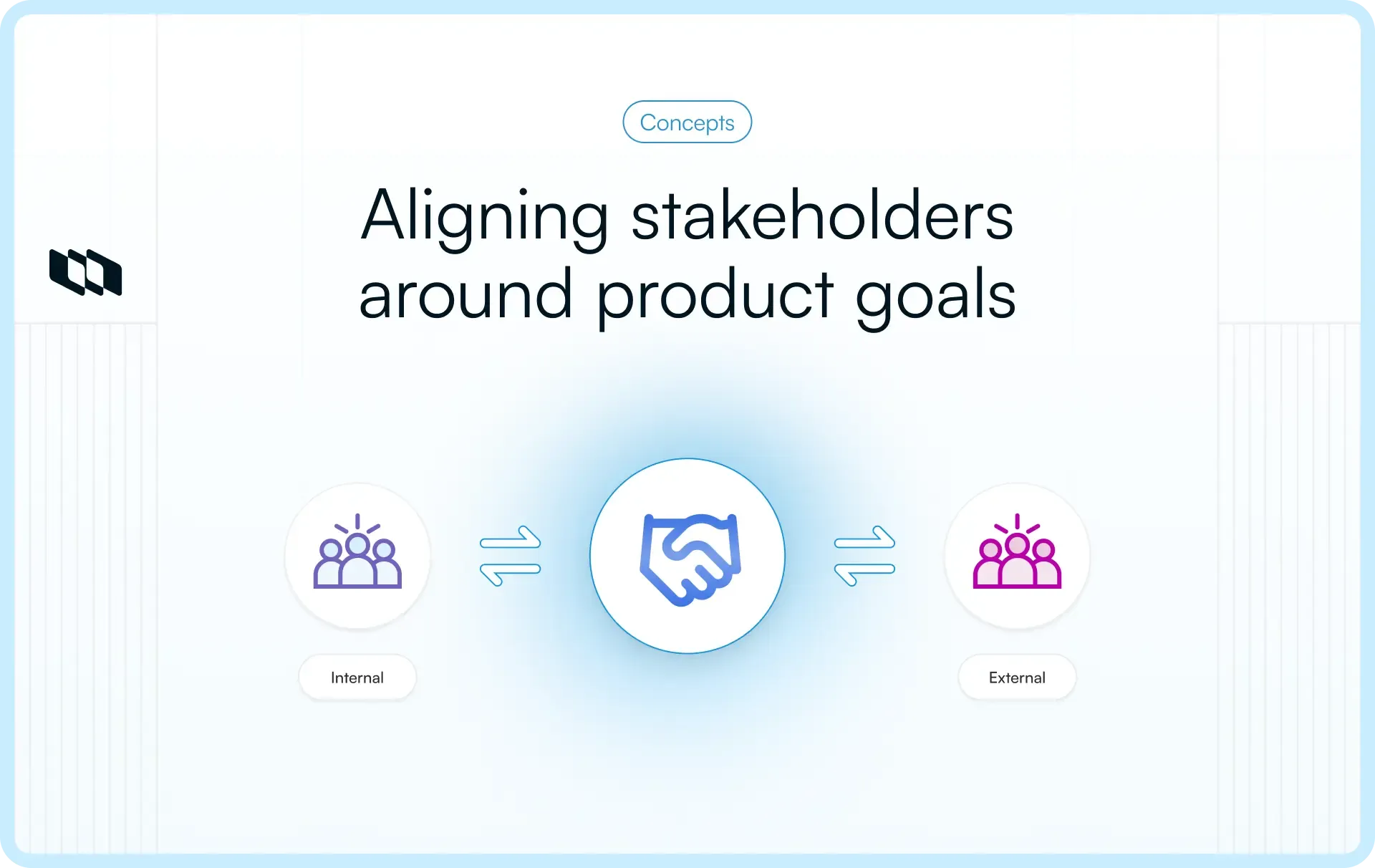
Projects involve a mix of internal and external stakeholders. Each group contributes to decisions, execution, and adoption in different ways.
1. Internal stakeholders
Internal stakeholders work within the organization and directly influence project execution and direction. These typically include:
- Leadership and executives who define strategic priorities
- Product managers and engineering managers who guide delivery
- Engineering, design, and operations teams that execute work
- Sales, marketing, support, and finance teams are affected by outcomes
Internal stakeholders often shape project scope, timelines, and success metrics.
2. External stakeholders
External stakeholders exist outside the organization but influence project direction or outcomes. These may include:
- Customers and end users
- Vendors and technology partners
- Agencies or consultants
- Regulatory or compliance bodies
External stakeholders shape requirements, expectations, and adoption, making their alignment critical for project success.
Key stakeholders vs. secondary stakeholders
All stakeholders matter, yet their level of influence and involvement varies across projects. Project managers benefit from distinguishing between key stakeholders and secondary stakeholders to prioritize communication and decisions.
- Decision-makers: Stakeholders who approve budgets, timelines, scope, or major project changes. Their alignment keeps projects moving without delays.
- Influencers: Stakeholders who shape opinions, priorities, or strategic direction. Their support strengthens project momentum and adoption.
- Contributors: Teams or individuals who provide inputs, requirements, or expertise required for delivery. Their collaboration ensures accurate execution.
- Observers or informed stakeholders: Stakeholders who stay informed about progress and outcomes but remain less involved in daily decisions. Regular updates keep them aligned with the project direction.
Understanding these categories helps project managers plan communication and engagement with clarity.
Roles stakeholders play in project success
Stakeholders play active roles throughout the project lifecycle. Their involvement directly affects decision-making, execution, and adoption.
Stakeholders support project success by:
- Approving priorities, budgets, and key decisions
- Providing requirements, feedback, and domain expertise
- Influencing direction, timelines, and trade-offs
- Supporting adoption across teams and users
- Highlighting risks, dependencies, and constraints early
- Championing project outcomes within the organization
When project managers clearly identify stakeholders and understand their roles, stakeholder management becomes more structured, predictable, and easier to sustain across complex projects.
Why stakeholder management matters for project success
Stakeholder management provides project managers with a structured approach to maintain alignment, reduce uncertainty, and keep execution focused on shared goals. When stakeholders remain engaged and informed, projects progress with fewer disruptions and stronger outcomes.
1. Improves alignment and decision-making
Projects often involve competing priorities across teams and leadership. Structured stakeholder management helps project managers align everyone around goals, timelines, and expected outcomes. Regular communication and clear decision checkpoints ensure stakeholders understand project direction and their role in moving work forward.
When alignment stays strong:
- Decisions happen faster
- Dependencies become visible early
- Teams move forward with clarity
- Execution stays connected to business goals
Consistent stakeholder engagement reduces confusion and supports confident decision-making throughout the project lifecycle.
2. Reduces risks and late surprises
Many project risks emerge from misaligned expectations or limited stakeholder visibility. Changes in priorities, delayed approvals, or missing inputs can disrupt timelines and delivery. Stakeholder management helps project managers surface risks early through continuous communication and structured check-ins.
Proactive engagement allows project managers to:
- Identify concerns before they escalate
- Clarify expectations early in the project
- Address constraints and dependencies quickly
- Maintain shared awareness of risks and trade-offs
Early visibility into stakeholder concerns supports smoother execution and fewer last-minute disruptions.
3. Prevents scope creep and rework
Scope clarity depends on shared understanding across stakeholders. When requirements or priorities remain unclear, projects often face frequent changes and rework. Stakeholder management keeps scope aligned with agreed objectives through regular communication and documented decisions.
Clear stakeholder alignment helps:
- Maintain a stable project scope
- Confirm priorities before execution
- Reduce unnecessary changes
- Ensure feedback arrives at the right time
When stakeholders stay aligned on goals and deliverables, teams spend more time delivering value and less time revisiting completed work.
4. Builds trust and long-term collaboration
Strong stakeholder relationships improve collaboration across teams and projects. Transparent communication, consistent updates, and reliable follow-through help project managers build credibility with stakeholders. This trust encourages open feedback, faster approvals, and stronger support for project outcomes.
Effective stakeholder management strengthens:
- Cross-functional collaboration
- Confidence in project direction
- Shared accountability for outcomes
- Long-term working relationships
Projects delivered with clear communication and aligned expectations create stronger partnerships that support future initiatives.
The stakeholder management lifecycle
Projects evolve as priorities shift, teams collaborate, and decisions shape outcomes. A structured stakeholder management process helps project managers maintain alignment and momentum from planning through delivery. The lifecycle below provides project managers with a practical way to manage stakeholders throughout the project.
1. Identify stakeholders
Every project starts with understanding who influences success. Stakeholder identification helps project managers map the full network of people connected to the project.
At this stage, project managers focus on:
- Listing leadership, teams, customers, and external partners connected to the project
- Identifying decision-makers who approve budgets, scope, or timelines
- Recognizing cross-functional teams affected by outcomes
- Spotting hidden stakeholders such as security, finance, or support teams
Example: A team launching a new billing system includes engineering and product teams as core stakeholders. Finance, customer support, and legal teams also influence requirements and approvals. Early identification helps avoid delays when approvals or feedback become necessary later.
Clear stakeholder identification builds the foundation for an effective stakeholder management process.
2. Understand needs and influence
After identifying stakeholders, project managers focus on understanding their goals, expectations, and level of influence. Each stakeholder evaluates project success differently based on their responsibilities and priorities.
Project managers gather insights by:
- Understanding what success looks like for each stakeholder
- Identifying risks or concerns tied to the project
- Clarifying communication preferences and decision involvement
- Assessing influence over timelines, scope, or resources
Example: A product leader may focus on feature delivery timelines, while a support leader prioritizes stability and customer experience. Recognizing these perspectives helps project managers balance priorities and maintain alignment.
Understanding stakeholder needs helps project managers anticipate feedback and plan engagement with clarity.
3. Prioritize and map stakeholders
Projects often involve many stakeholders, yet their influence varies. Stakeholder mapping helps project managers prioritize engagement based on impact and involvement.
Project managers typically:
- Identify high-influence stakeholders who shape decisions
- Map stakeholders based on influence and interest
- Separate active decision-makers from informed observers
- Plan engagement based on stakeholder impact on delivery
Example: A CTO approving technical direction requires close collaboration and regular updates. A marketing team preparing launch communication may need milestone-based updates. Mapping stakeholders helps project managers match communication with importance.
Stakeholder prioritization ensures time and attention remain focused on the stakeholders who shape project outcomes.
4. Plan engagement and communication
A structured communication plan keeps stakeholders informed, aligned, and engaged. Predictable communication reduces uncertainty and builds confidence in project direction.
Project managers plan engagement by:
- Defining update frequency for each stakeholder group
- Choosing appropriate communication channels
- Scheduling decision checkpoints and reviews
- Clarifying ownership for stakeholder communication
Example: A weekly project update keeps leadership informed on progress and risks. A biweekly demo helps product and design teams review progress. A monthly executive review supports strategic alignment. Each cadence serves a specific stakeholder need.
Clear communication planning ensures stakeholders stay aligned without creating information overload.
5. Manage expectations and decisions
Projects involve continuous trade-offs across scope, timelines, and resources. Stakeholder management helps project managers maintain shared expectations and guide decisions through structured discussions.
Key focus areas include:
- Setting clear expectations about deliverables and timelines
- Aligning stakeholders on priorities and constraints
- Facilitating decision discussions when trade-offs arise
- Documenting decisions and next steps for visibility
Example: If a release timeline shifts due to technical complexity, project managers align stakeholders on revised milestones and priorities. Early alignment prevents confusion and maintains trust across teams.
Consistently managing expectations helps project managers keep projects predictable and collaborative.
6. Monitor and adapt throughout the project
Stakeholder management continues throughout execution. As projects progress, stakeholder priorities, risks, and involvement may change. Continuous monitoring helps project managers maintain alignment and respond quickly to evolving needs.
Project managers regularly:
- Review stakeholder engagement and alignment
- Adjust communication based on the project phase
- Surface new risks or dependencies early
- Update stakeholder mapping when priorities shift
Example: During final release preparation, customer support and operations teams may become more involved than in earlier phases. Adjusting engagement ensures readiness across teams before launch.
Ongoing stakeholder management keeps communication relevant and alignment strong throughout the project lifecycle.
The stakeholder management process: Step-by-step for project managers
Stakeholder management works best as a structured process that runs alongside the project, not as a one-time setup task. Each step builds on the previous one and helps project managers maintain alignment as priorities, teams, and constraints evolve.
Step 1: Identify stakeholders
The first step in stakeholder management is to understand who has direct or indirect influence on the project. Stakeholders include people who approve decisions, contribute to execution, feel the impact of outcomes, or influence priorities behind the scenes.
Project managers typically identify:
- Sponsors and leaders who own outcomes or funding
- Product, engineering, and delivery teams executing the work
- Cross-functional teams affected by changes or dependencies
- External stakeholders such as customers, partners, or vendors
Clear stakeholder identification prevents late-stage involvement that often leads to delays, rushed approvals, or unexpected scope changes.
Step 2: Understand stakeholder needs and influence
After identifying stakeholders, project managers focus on understanding what each stakeholder cares about and how much influence they carry. Different stakeholders evaluate success through different lenses, such as speed, quality, risk, cost, or customer impact.
At this stage, stakeholder management focuses on:
- Clarifying stakeholder goals and success criteria
- Understanding concerns, constraints, and risks
- Identifying decision authority and influence level
- Recognizing how stakeholders prefer to stay informed
Understanding these factors helps project managers anticipate feedback, align priorities, and avoid miscommunication as the project progresses.
Step 3: Prioritize and map stakeholders
Not all stakeholders require the same level of involvement. Stakeholder mapping helps project managers decide where to invest time and attention to keep the project moving smoothly.
Project managers typically:
- Separate decision-makers from contributors and observers
- Identify high-influence stakeholders who affect timelines or scope
- Group stakeholders based on interest and impact
- Define which stakeholders require close collaboration versus periodic updates
Stakeholder mapping ensures engagement stays focused and prevents decision bottlenecks caused by unclear ownership or over-involvement.
Step 4: Plan engagement and communication
Once stakeholders are mapped, project managers define how communication will work throughout the project. Structured stakeholder communication reduces uncertainty and builds confidence in project direction.
Effective stakeholder management includes:
- Clear communication cadence based on stakeholder involvement
- Defined channels for updates, feedback, and decisions
- Consistent update structure covering progress, risks, and next steps
- Clear ownership for follow-ups and approvals
Predictable communication keeps stakeholders aligned while reducing unnecessary meetings and repeated questions.
Step 5: Manage expectations and decisions
Projects require continuous trade-offs across scope, timelines, and resources. Stakeholder management helps project managers guide these discussions with clarity and transparency.
This step focuses on:
- Aligning stakeholders on scope boundaries and priorities
- Making trade-offs visible and understandable
- Ensuring decisions involve the right stakeholders at the right time
- Documenting decisions to maintain shared context
Clear expectation management reduces friction, prevents rework, and keeps delivery aligned with agreed goals.
Step 6: Monitor and adapt throughout the project
Stakeholder priorities and involvement often shift as projects move from planning to execution and delivery. Ongoing stakeholder management helps project managers adapt engagement as needs change.
Throughout the project, project managers:
- Revisit stakeholder mapping at key milestones
- Adjust communication depth and cadence based on project phase
- Track unresolved decisions and risks
- Respond early to signals of misalignment
Continuous monitoring keeps stakeholder engagement relevant and ensures alignment holds as the project evolves.
Common stakeholder management challenges and how to handle them
Stakeholder management becomes complex as projects grow in scale and cross-functional impact. Multiple priorities, communication channels, and decision layers can slow progress and create confusion. Recognizing common stakeholder management challenges early helps project managers respond with clarity and structure.
1. Too many stakeholders
Large projects often involve a wide group of stakeholders with different priorities and expectations. Without clear prioritization, project managers may spend time responding to every request rather than focusing on critical decisions.
How to handle it:
- Identify decision-makers, influencers, contributors, and informed stakeholders early
- Focus active engagement on high-influence stakeholders
- Create structured update formats for wider stakeholders
- Avoid involving every stakeholder in every decision
- Maintain a clear stakeholder map and revisit it regularly
A structured stakeholder management process helps project managers focus their attention where it has the greatest impact.
2. Misaligned expectations
Misaligned expectations around scope, timelines, or outcomes can create friction across teams. Stakeholders may assume different priorities or success metrics if alignment remains unclear.
How to handle it:
- Define project goals, scope boundaries, and success criteria early
- Confirm alignment with decision-makers at key milestones
- Document expectations and share them across stakeholders
- Address gaps in understanding as soon as they appear
- Reconfirm priorities whenever project constraints change
Clear expectation setting supports stronger stakeholder alignment and reduces confusion throughout the delivery process.
3. Communication overload
Projects often rely on multiple tools and channels, leading to scattered updates and repeated questions. Too many updates without structure can overwhelm stakeholders and reduce clarity.
How to handle it:
- Establish a predictable communication cadence
- Centralize project updates and decisions in one shared location
- Share concise updates focused on progress, risks, and decisions
- Tailor communication depth based on stakeholder involvement
- Replace ad hoc updates with structured reviews and checkpoints
Structured stakeholder communication keeps stakeholders informed without creating unnecessary noise.
4. Decision delays
Projects slow down when decisions remain unclear or delayed. Multiple approval layers and unclear ownership can stall progress and impact timelines.
How to handle it:
- Define decision owners and approval paths early
- Schedule decision checkpoints aligned with project milestones
- Provide context and options to support faster decisions
- Track open decisions and follow-ups visibly
- Escalate blockers through defined channels when required
Clear decision alignment supports momentum and reduces uncertainty across teams.
5. Stakeholder politics
Projects that involve multiple teams and leaders may face competing priorities or influence dynamics. These situations can create tension and slow alignment.
How to handle it:
- Focus discussions on shared goals and project outcomes
- Make trade-offs visible using data and timelines
- Keep communication transparent across stakeholders
- Document decisions and rationale to maintain clarity
- Maintain neutral, objective communication across teams
A structured stakeholder management approach helps project managers navigate complex dynamics while keeping projects focused on outcomes.
6. Lack of visibility
Limited visibility into project progress or risks can reduce stakeholder confidence and create last-minute concerns. When stakeholders lack context, they may request frequent updates or introduce late changes.
How to handle it:
- Provide regular updates on progress, milestones, and risks
- Share clear timelines and ownership for key tasks
- Maintain a single source of truth for project information
- Make decisions and changes visible across stakeholders
- Review alignment at regular checkpoints
Strong visibility supports trust, enables faster decisions, and facilitates smoother collaboration among stakeholders.
Stakeholder management plan: What it includes
A well-defined stakeholder management plan helps project managers reduce confusion, improve visibility, and maintain alignment across stakeholders from planning through delivery.
Core elements of a stakeholder management plan
A practical stakeholder management plan focuses on clarity and consistency.
It captures who the stakeholders are, how they influence the project, and how engagement will happen across the lifecycle.
- Stakeholder register: The stakeholder register provides a clear list of all stakeholders connected to the project. It records their roles, level of involvement, and influence on decisions. This register helps project managers maintain visibility into who shapes outcomes and who requires regular communication throughout the project.
- Mapping and prioritization: Stakeholder mapping helps project managers understand which stakeholders require close engagement and which need periodic updates. Prioritization ensures high-influence stakeholders remain aligned on scope, timelines, and outcomes. Clear mapping also supports faster escalation and decision alignment when trade-offs arise.
- Communication strategy: A defined communication strategy outlines how updates, risks, and decisions will be shared across stakeholders. It establishes a predictable flow of information so that stakeholders understand the project's direction and progress. Clear communication channels and an update frequency help reduce confusion and the need for repeated clarification.
- Engagement approach: Different stakeholders require different levels of involvement. The engagement approach defines how project managers collaborate with each stakeholder group across planning, execution, and delivery. It ensures stakeholders participate in discussions and decisions relevant to their role without creating unnecessary involvement.
- Review cadence: Stakeholder alignment changes as projects move forward. A defined review cadence helps project managers reassess stakeholder engagement, update communication needs, and adjust priorities as the project progresses. Regular reviews keep stakeholder management relevant and aligned with evolving project conditions.
When to create or update the stakeholder management plan
The stakeholder management plan should evolve with the project lifecycle. Creating and updating it at the right moments helps project managers maintain alignment and avoid communication gaps.
Project managers typically create the stakeholder management plan during project initiation, when the project scope, goals, and primary stakeholders are clear. Establishing the plan early ensures structured communication and alignment of expectations from the start.
Updates to the plan become necessary when:
- The project moves into a new phase, such as execution or rollout
- New stakeholders join or stakeholder influence shifts
- Scope, timelines, or priorities change
- Risks or dependencies affect stakeholder involvement
- Decision structures or communication needs evolve
Regular updates keep the stakeholder management process accurate and aligned with project realities. A living stakeholder management plan supports clear communication, faster decisions, and consistent collaboration across the entire project lifecycle.
Final thoughts
Stakeholder management continues throughout the project lifecycle and evolves as priorities, teams, and decisions change. Consistent alignment across stakeholders keeps execution focused and prevents delays caused by unclear expectations or late feedback. Structured stakeholder communication creates shared visibility into progress, risks, and decisions, helping teams move forward with confidence.
Project managers who build a strong stakeholder management process create predictable delivery and stronger collaboration across teams. Clear documentation, defined communication cadences, and centralized visibility make stakeholder management scalable across complex projects. When alignment remains strong and communication stays structured, projects progress with clarity, speed, and shared ownership of outcomes.
Frequently asked questions
Q1. What is meant by stakeholder management?
Stakeholder management is the process of identifying, understanding, and aligning people who influence or are affected by a project. Project management involves maintaining clear communication, setting expectations, and ensuring decisions stay aligned with project goals. Effective stakeholder management helps project managers reduce risks, improve collaboration, and keep delivery predictable across teams.
Q2. What are the 7 C’s of stakeholder management?
The 7 C’s of stakeholder management provide a structured approach to building strong stakeholder relationships and maintaining alignment across projects:
- Clarity: Ensure goals, scope, and expectations remain clearly defined
- Communication: Maintain consistent and structured updates
- Consultation: Involve stakeholders in key discussions and decisions
- Commitment: Build stakeholder ownership and accountability
- Coordination: Align efforts across teams and functions
- Consistency: Keep messaging and decisions aligned across stakeholders
- Collaboration: Encourage shared responsibility for project success
These principles help project managers create predictable engagement and stronger stakeholder alignment.
Q3. What are the 4 types of stakeholders?
Stakeholders in project management typically fall into four main categories:
- Internal stakeholders: Teams and leaders within the organization involved in delivery or decision-making
- External stakeholders: Customers, partners, vendors, or regulators affected by project outcomes
- Primary stakeholders: Individuals or groups directly impacted by the project’s success
- Secondary stakeholders: Those indirectly affected but still interested in outcomes
Understanding stakeholder types helps project managers tailor communication and engagement strategies.
Q4. What are the 4 phases of stakeholder management?
The stakeholder management process usually includes four core phases:
- Identification: Recognizing all stakeholders connected to the project
- Analysis: Understanding stakeholder influence, expectations, and priorities
- Engagement: Communicating and collaborating with stakeholders consistently
- Monitoring: Reviewing alignment and adapting engagement throughout the project lifecycle
These phases help project managers maintain alignment and reduce delivery risks.
Q5. What are the 7 types of stakeholders?
Projects often involve a mix of stakeholder types with different roles and influence. Common stakeholder categories include:
- Project sponsors and executives
- Project managers and delivery teams
- Product, engineering, and cross-functional teams
- Customers and end users
- Vendors and external partners
- Regulatory or compliance bodies
- Operations, support, or internal business teams
Recognizing these stakeholder groups helps project managers build a structured stakeholder management plan and maintain alignment across complex projects.
Recommended for you



 Download for Mac
 Download for Android