What is Waterfall project management? Definition, methodology and best practices
Waterfall project management is defined as a sequential approach to managing projects, where each phase of the project must be completed before the next phase can begin.
Waterfall project management is defined as a sequential approach to managing projects, where each phase of the project must be completed before the next phase can begin.
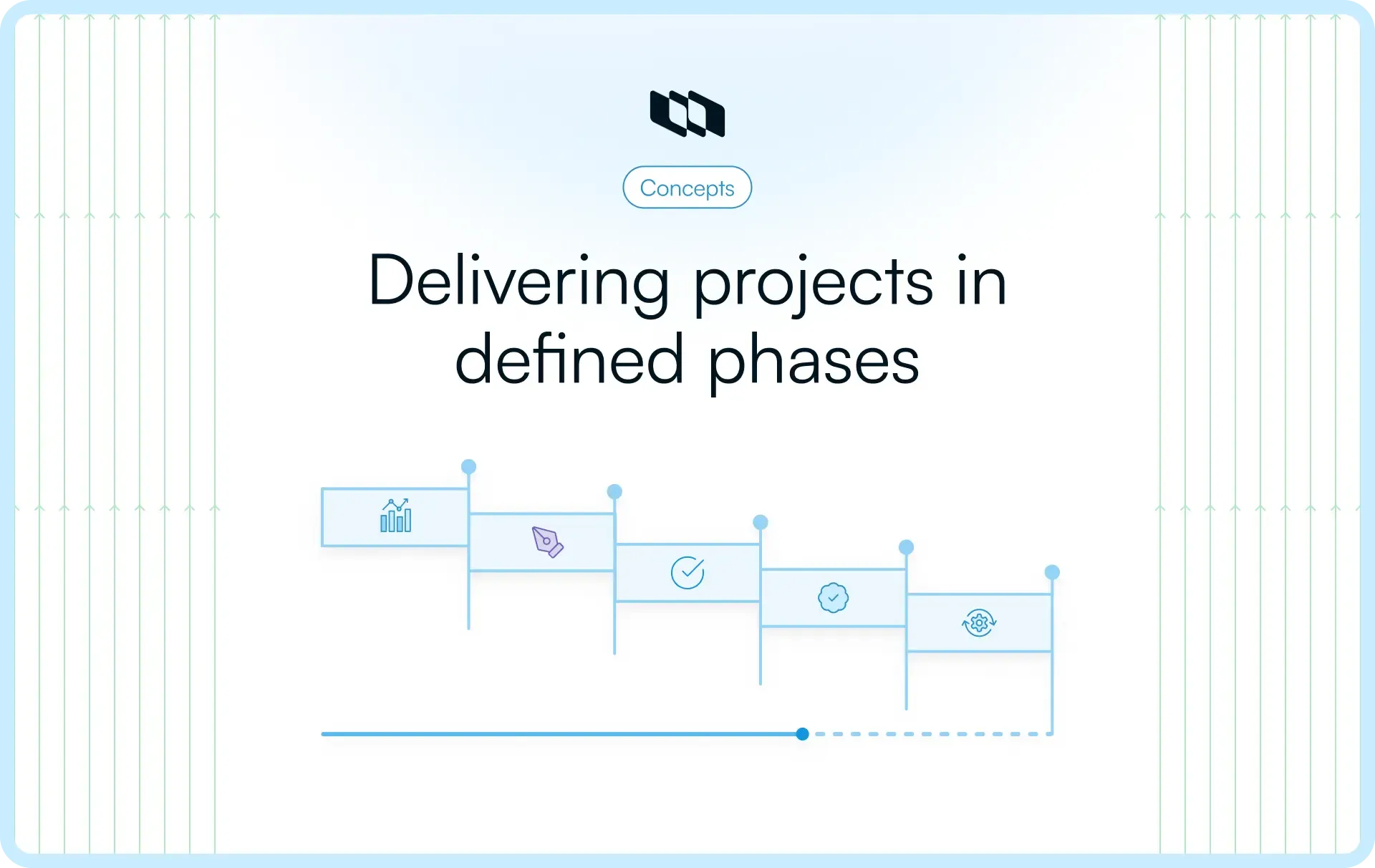
What is Waterfall project management?
Waterfall project management is defined as a sequential approach to managing projects, where each phase of the project must be completed before the next phase can begin.
This model was initially developed for software development but is now applied to various fields where a linear, step-by-step process is suitable.
The Waterfall model consists of distinct stages, usually starting with the gathering of requirements, followed by system design, implementation, testing, deployment, and maintenance. Once one stage is finished, it is typically not revisited, making the approach rigid and straightforward. It emphasizes thorough documentation and careful planning before proceeding to the next step.
In Waterfall project management, the clarity of the process is one of its key strengths. Teams must have a well-defined set of requirements and clear objectives from the outset. Since the plan is set in motion from the beginning, there is minimal room for changes or modifications once the project advances to later stages. This structured nature makes it well-suited for projects where the requirements are stable and unlikely to change, such as manufacturing or construction projects. In these types of industries, precision and predictability are highly valued, and the Waterfall method ensures that teams adhere strictly to the plan.
However, Waterfall’s rigidity can also be a disadvantage in environments where changes and iterations are common. Because it is linear, the model does not accommodate revisions easily once a phase is completed. If there is a significant change in requirements after the project is underway, it can lead to costly delays or even force the team to start from the beginning. This makes Waterfall less effective in industries like software development, where requirements often evolve over time. In these cases, more iterative approaches, such as Agile project management, are typically favored due to their flexibility and adaptability.
An example of Waterfall project management can be found in construction projects, where a company is tasked with building a new office building. First, the project starts with gathering client requirements, including the design and functionality of the building. Next, the design team creates architectural plans, which must be approved before construction begins. Once construction starts, it follows a strict sequence from laying the foundation to installing electrical systems, with testing and inspection carried out at the end. Each stage must be completed before the next can proceed, and changes to the design after construction begins can be difficult and expensive, highlighting the necessity of a well-defined plan from the start.
Related: What is Scrum project management?
Key components of Waterfall project management methodology
The key components of the Waterfall project management methodology are structured in a sequential, phase-based approach. These components guide the process from the beginning to the end of the project and must be completed in order before moving to the next stage. Below are the essential components of Waterfall project management:
- Requirement gathering and analysis: This is the initial stage of the Waterfall model, where project requirements are gathered from stakeholders, clients, or users. It involves a detailed understanding of what the project aims to achieve, its goals, and the necessary functionality. All requirements are documented comprehensively, as they will serve as a foundation for all subsequent stages. No development or design begins until the requirements are clear and approved.
- System design: Once the requirements are well understood, the next step is designing the system architecture. In this stage, the project team creates blueprints or plans for the system, which include technical specifications, database design, and system architecture. The goal is to translate the requirements into a structured system framework. Detailed documentation is prepared to define how the final product will look and function. This stage also includes decisions about hardware and software needs.
- Implementation: This phase is where the actual development or construction takes place. Developers or engineers build the system based on the designs created in the previous step. Each component is implemented according to the design specifications, and the system begins to take shape. During this phase, individual parts are developed and then integrated into the whole system. It’s essential that the team follows the exact design specifications since changes at this point can be difficult and time-consuming.
- Testing: After implementation, the project undergoes a rigorous testing phase to identify any defects or issues. This phase is crucial for ensuring that the product meets the specified requirements and functions as intended. Testing can include unit testing, system testing, integration testing, and user acceptance testing (UAT). If any bugs or problems are detected, they must be resolved before the project can proceed to the next stage.
- Deployment: Once the system has passed testing, it is ready for deployment. This stage involves rolling out the completed project to the client or end users. The system is installed in its intended environment, and any necessary training for users or stakeholders may be conducted. This is the phase where the project is delivered and handed over to the client.
- Maintenance: After deployment, the final stage is ongoing maintenance. This includes making minor updates, bug fixes, and addressing any issues that arise during the operational life of the system. The maintenance phase ensures that the product continues to meet the needs of the users and functions smoothly over time. While the system is maintained, major changes or updates typically trigger a new Waterfall cycle, as substantial alterations may require starting the process over.
Waterfall project management process: Key steps
The Waterfall project management process follows a linear, sequential process with clearly defined steps, each of which must be completed before moving to the next.
Below are the key steps of the Waterfall project management methodology:
1. Requirement gathering and documentation: The first step in the Waterfall project management process is gathering all the project requirements from stakeholders, clients, or users. This step focuses on understanding the project's objectives, functions, and constraints in detail. All requirements are documented meticulously, often in a requirements specification document. Since the Waterfall model follows a rigid sequence, changes after this stage are challenging, making thorough requirement gathering essential for the project's success.
2. System design: Once the requirements are clear, the next step is to design the system. This stage involves developing a system architecture based on the requirements, which includes hardware and software specifications, data models, and system interfaces. The design phase is divided into high-level design (defining the overall system structure) and detailed design (specifying individual components and their interactions). This design serves as a blueprint for the subsequent development phase and must be approved by stakeholders before proceeding.
3. Implementation: The implementation or development phase is where the actual product or system is built. Developers or engineers create the system based on the design specifications established in the previous step. In this phase, coding or construction begins, and all system components are built and integrated. Each unit is developed separately and then combined to form the complete system. As this step depends on the design, deviations or changes are not expected, ensuring that the product remains aligned with the initial plan.
4. Testing: After implementation, the project enters the testing phase. This step is crucial for ensuring the quality and functionality of the product. The system is tested to identify and resolve defects, and testing types can include unit testing, system testing, integration testing, and user acceptance testing (UAT). The goal is to verify that the system works as expected and meets the specified requirements. If any issues are found, they are fixed, and the system is retested until it is confirmed that the product is ready for deployment.
5. Deployment: Once testing is complete, the system or product is ready for deployment. In this phase, the system is rolled out and installed in the intended operational environment. Any necessary user training, support documentation, or transition activities take place here to ensure a smooth handover to the client or users. This step marks the official delivery of the project.
6. Maintenance: The final step in the Waterfall process is maintenance. After the system is deployed, ongoing support and maintenance are required to fix bugs, make minor adjustments, and ensure the system continues to function as needed. Although Waterfall projects tend to have a defined end, maintenance ensures that the product remains operational and effective over time. Major updates or revisions may lead to a new project cycle, often triggering a new round of requirement gathering and design.
Related: Agile versus Scrum project management
Importance of Waterfall methodology for project management
The waterfall methodology holds significant importance for project management due to its structured, linear approach. Below are detailed points that highlight its importance:
- Clear structure and sequence of phases
The waterfall methodology follows a step-by-step process where each phase must be completed before moving on to the next. This sequential approach helps in maintaining discipline and order throughout the project life cycle. The phases typically include requirements gathering, system design, implementation, testing, deployment, and maintenance. Since each phase has a clear starting and ending point, the project's progress is easier to manage, track, and control. - Thorough documentation and accountability
Waterfall emphasizes the importance of documenting each phase of the project, ensuring that every decision and process is well-recorded. This comprehensive documentation makes it easy to trace back decisions, manage changes, and understand the rationale behind certain actions. It also holds team members accountable, as every stage requires formal approval before progressing to the next. The clear documentation creates transparency and a structured audit trail, which is useful for large or complex projects involving multiple stakeholders. - Predictability and reduced risk
Because the waterfall methodology requires all requirements to be clearly defined at the beginning of the project, it minimizes uncertainty later in the process. This predictability helps in creating detailed project plans, including resource allocation, budget estimates, and timelines. By laying everything out upfront, risks are easier to identify and manage. Since each phase must be completed before moving on, there is also less chance for scope creep, which can lead to cost overruns and schedule delays. - Suitability for stable, well-defined projects
Waterfall is particularly effective for projects where the scope, requirements, and technologies are well-understood and unlikely to change significantly. Projects such as construction, hardware development, or government contracts, where clear specifications are needed, benefit from the rigid structure of the waterfall approach. The methodology ensures that each requirement is addressed in a linear, methodical fashion, making it easier to plan and execute such projects with minimal changes mid-course. - Easier progress tracking and milestone management
The phase-based structure of waterfall makes it easier to measure project progress against predefined milestones. Each phase represents a tangible deliverable, allowing managers and stakeholders to track the completion of tasks and the overall progress of the project. This is particularly important in managing expectations, as stakeholders can easily understand the project's current status and expected future progress. - Defined project timelines and cost estimations
Since waterfall emphasizes gathering all requirements upfront, it allows project managers to create more accurate time and cost estimates. Once the scope is defined and approved, the team can develop detailed project plans with specific timelines and budgets. This is beneficial for organizations or industries where fixed deadlines and budgets are critical, as it reduces the likelihood of unexpected expenses or delays. - Simplified team roles and communication
Waterfall promotes a clear division of responsibilities, as each team member knows their role within the different phases of the project. This approach reduces confusion and miscommunication, as team members work on specific tasks aligned with their expertise in a given phase. In addition, formal handoffs between phases ensure that all relevant information is passed along, helping to maintain clarity across departments or teams. - Suitability for contract-based or regulatory environments
The waterfall methodology is often favored in industries where strict regulatory requirements are in place, such as healthcare, government, and aerospace. Its structured approach ensures compliance with standards, as each phase is formally reviewed and approved. This makes it easier for organizations to demonstrate that they have followed legal or contractual requirements, reducing risks related to non-compliance.
Related: What is project cycle management?
Best Practices for using Waterfall project management in 2024
Using the waterfall methodology effectively requires careful planning and adherence to certain best practices. These practices help maximize the benefits of this structured approach while minimizing potential pitfalls. Here are key best practices for using waterfall project management:
1. Thoroughly define and document requirements upfront
Since the waterfall methodology is a linear approach, it's crucial to gather all requirements at the very beginning. Ensure that the project scope, objectives, deliverables, and stakeholder expectations are clearly understood and documented. Hold detailed meetings with stakeholders to gather precise requirements and avoid ambiguity. Missing or vague requirements at the start can lead to costly changes later, so taking time to get this step right is essential.
2. Create detailed project plans and timelines
One of the strengths of the waterfall model is its ability to create highly accurate project schedules and timelines. After defining the project requirements, break down the tasks into phases and create a realistic timeline for each. Clearly outline the start and end dates of each phase and allocate resources accordingly. A well-structured plan helps prevent delays and provides clear direction to the project team, ensuring that each phase progresses smoothly.
3. Establish clear milestones and approval processes
Waterfall project management relies on the completion of one phase before moving to the next. Establish clear milestones that mark the successful completion of each phase. At each milestone, conduct formal reviews and obtain stakeholder approvals before proceeding. This ensures that each phase has met its objectives and that all stakeholders are aligned. Setting well-defined approval points also helps avoid miscommunication and ensures accountability at every stage.
4. Maintain comprehensive documentation throughout the project
Ensure that every decision, change request, and process is well-documented as the project progresses. This documentation provides a reference for the team and stakeholders, making it easier to track progress, address any questions, or resolve disputes. Additionally, having thorough documentation at each phase allows for easier onboarding of new team members and ensures continuity if team members leave.
5. Adopt strong change management processes
In waterfall, making changes to the project after a phase is completed can be difficult and costly. Therefore, it's important to have a robust change management process in place to handle any unexpected changes. Establish a formal process for reviewing and approving change requests, including a clear assessment of how changes will impact timelines, costs, and resources. This helps control scope creep and ensures that any changes are carefully considered before being implemented.
6. Conduct frequent progress reviews and status updates
Although waterfall follows a linear progression, it’s important to monitor progress regularly to ensure that the project stays on track. Schedule regular status meetings with the project team to review the progress of each phase. Identify any potential bottlenecks early and address them before they affect subsequent phases. Regular reviews help maintain momentum and provide opportunities for course correction if needed.
7. Ensure stakeholder involvement and communication
Engage stakeholders early in the project and maintain open lines of communication throughout. Since waterfall projects often have long timelines between phases, keep stakeholders informed about progress and any potential risks. Share milestone achievements, phase completions, and any changes to the plan. Regular communication ensures that stakeholders remain engaged and reduces the risk of last-minute surprises or dissatisfaction
8. Allocate appropriate resources and manage dependencies
Resource planning is critical in waterfall projects since each phase relies on the completion of the previous one. Allocate the right resources at the beginning of each phase and manage dependencies carefully to avoid delays. If a task in one phase is delayed, it could push back the entire project timeline. Ensure that teams understand their roles and that any dependencies between tasks or departments are identified and managed proactively.
9. Perform rigorous testing and quality assurance
In waterfall, testing usually takes place after the implementation phase. Given that changes are difficult to implement later in the project, ensure that testing is thorough and that all issues are addressed before moving forward. Set up detailed quality assurance processes to verify that the product or deliverable meets the original specifications. Conduct different levels of testing (unit, integration, system) to catch potential problems early and ensure a successful outcome.
10. Plan for post-launch support and maintenance
Once the project reaches the deployment phase, ensure that there is a clear plan for ongoing support and maintenance. This is particularly important for software and product development projects. Establish a post-launch team to handle any issues that may arise after deployment and provide necessary updates or bug fixes. Allocating resources for maintenance ensures that the project continues to deliver value after its formal completion.
Recommended for you



 Download for Mac
 Download for Android