What is project resource management? Definition, planning and examples
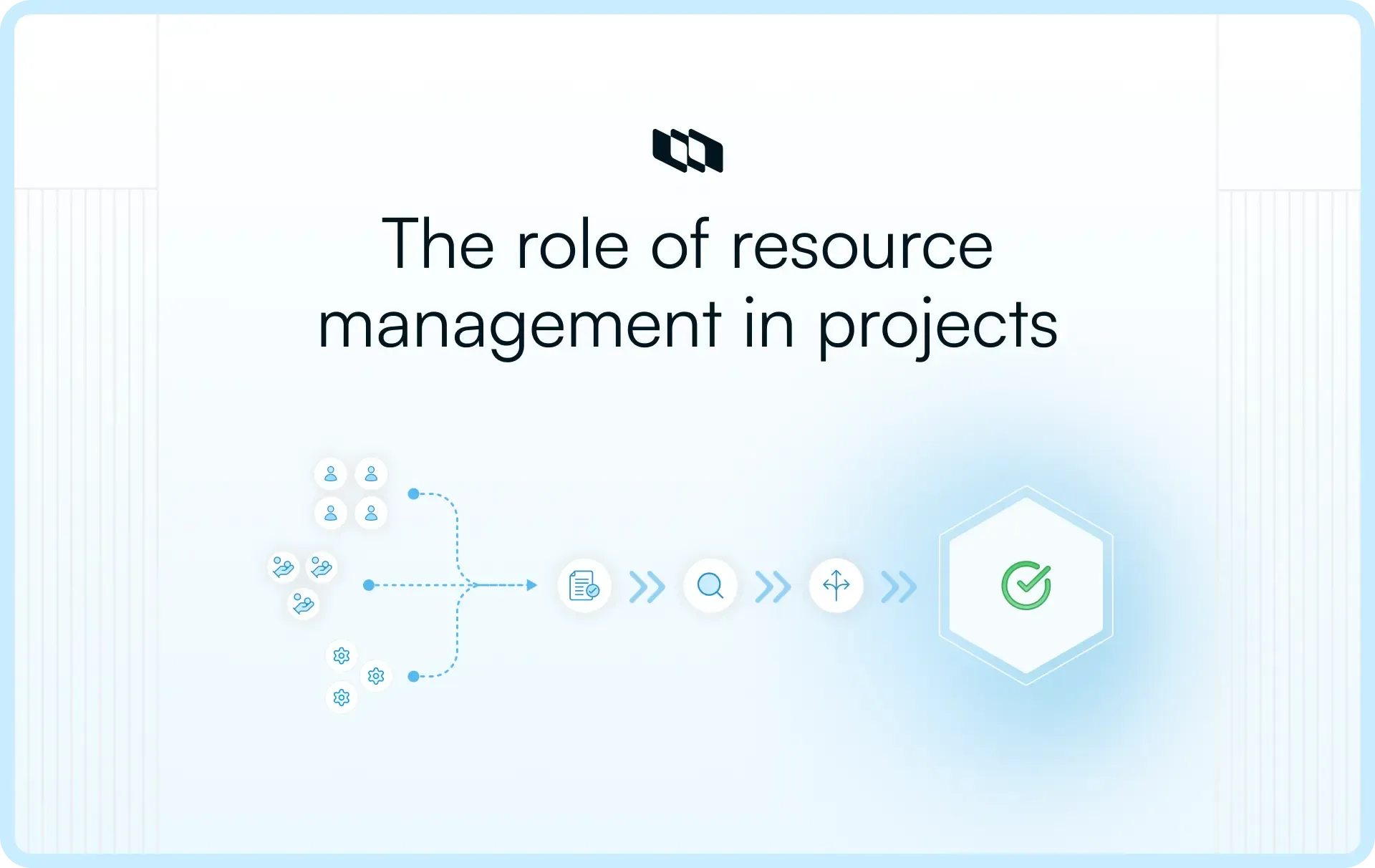
Project resource management is defined as the process of planning, allocating, and controlling resources (human, financial, and physical assets) to achieve the objectives of a project efficiently and effectively.
Project resource management is defined as the process of planning, allocating, and controlling resources (human, financial, and physical assets) to achieve the objectives of a project efficiently and effectively.
Introduction
As projects grow in complexity, managing work becomes less about tracking tasks and more about managing capacity. Project resource management addresses this shift by helping teams plan and allocate project resources with clarity. In modern project management environments, resource management plays a central role in maintaining momentum, controlling costs, and keeping teams focused on work that can actually be delivered. This guide explores how project resource management improves planning, allocation, and tracking, enabling teams to make better decisions and deliver predictably.
What is project resource management?
Project resource management is defined as the process of planning, allocating, and controlling resources (human, financial, and physical assets) to achieve the objectives of a project efficiently and effectively.
It ensures that the right resources are available at the right time and are used optimally throughout the project lifecycle. Effective resource management helps prevent delays, reduces costs, and maximizes productivity by ensuring that resources are neither overused nor underused.
In the first phase, resource planning, project managers define the types and amounts of resources needed to complete the project. This includes both human resources (e.g., project team members, subject matter experts) and physical resources (e.g., equipment, materials). The project manager also estimates the budget and time required for each resource. For example, if a construction project requires specialized machinery, resource planning would ensure that such machinery is available when needed and within budget.
Once the resources are identified, resource allocation becomes crucial. This step involves assigning the right people and materials to specific tasks according to their skills and availability. Resource allocation also involves scheduling to ensure that resources are not overburdened or left idle. An example would be assigning a software developer with specific expertise in coding to work on coding tasks, while ensuring the developer’s availability matches the project schedule, avoiding task delays.
Lastly, resource control ensures that the resources are being used as planned and adjustments are made when necessary. If a resource becomes unavailable or is not performing as expected, the project manager may need to reallocate tasks or bring in additional resources. For example, if a team member is unavailable due to illness, the project manager might reassign the tasks to another member or hire a temporary replacement to keep the project on track. Effective resource control ensures that the project remains on schedule and within budget.
What counts as a resource in project management?
In project resource management, a resource is anything required to complete project work. Resources go beyond people alone. They include money, time, equipment, and the tools teams rely on to execute tasks. Understanding these resource types early helps teams plan realistically and avoid delivery issues later in the project lifecycle.
1. Human resources
Human resources refer to the people involved in delivering the project. This includes project managers, engineers, designers, testers, and subject matter experts. It also includes the skills, experience, and availability each person brings. In project resource management, teams plan work based on real capacity rather than job titles alone. A senior engineer with limited availability represents a different resource than a junior engineer working full-time, even if both belong to the same team.
2. Financial resources
Financial resources cover the project's budget. This includes salaries, contractor costs, software subscriptions, equipment purchases, and contingency reserves. Effective project resource management ensures spending aligns with delivery priorities and timelines. When budgets are planned alongside resource needs, teams gain better control over costs and avoid last-minute funding decisions.
3. Physical resources
Physical resources include equipment, materials, and infrastructure required to complete project work. Examples include servers, testing devices, machinery, or raw materials. These resources often have limited availability and shared usage across projects. Resource planning in project management accounts for when physical resources are needed and how long they will be in use, preventing scheduling conflicts.
4. Time and capacity
Time is a critical resource that shapes every project decision. Capacity refers to how much work a resource can realistically handle within a given period. In project resource management planning, teams assess availability, working hours, planned time off, and parallel commitments. This helps teams set achievable timelines and balance workloads without stretching capacity beyond sustainable limits.
5. Tools and technology
Tools and technology support the planning, assignment, and tracking of resources. This includes project management software, workload views, time tracking tools, and reporting systems. These tools provide visibility into resource allocation, utilization, and progress. When used effectively, they help teams make informed decisions and adjust resource plans as projects evolve.
Why project resource management matters
Project outcomes depend on how well resources are planned and used throughout execution. When teams treat resource decisions as secondary, delivery risks increase quickly. Project resource management provides structure to these decisions and keeps projects grounded in real capacity.
1. Prevents delays caused by unavailable or overused resources
Delays often occur when work is assigned without confirming availability. In project resource management, teams plan tasks based on who is available and when. This reduces last-minute reassignments and keeps work moving at a steady pace.
2. Helps control costs and avoid budget overruns
Unplanned resource changes usually lead to higher costs. Over time, emergency hiring and rushed procurement all increase spending. Project resource management planning helps teams forecast resource needs early and align budgets with delivery timelines.
3. Reduces burnout and workload imbalance
Workload imbalance affects both delivery and team health. When the same individuals handle critical tasks across multiple projects, productivity declines. Managing project resources with clear capacity limits helps distribute work more evenly and supports sustainable performance.
4. Improves delivery predictability and planning confidence
Predictable delivery comes from realistic planning. When resource availability, skills, and effort are visible, teams commit to timelines with greater confidence. Strong project resource management enables clearer planning and fewer surprises during execution.
Key components of project resource management
The key components of project resource management are essential for ensuring the successful allocation and use of resources throughout the project lifecycle. These components help streamline the process of obtaining, assigning, and managing the resources necessary to complete a project on time and within budget. Here are the core components:
- Resource Planning
Resource planning is the first step in managing resources, where project managers identify what resources (human, financial, equipment, etc.) are needed for the project. During this phase, the types, quantities, and skills required are determined. The planning process also includes estimating resource costs and availability, ensuring that resources align with the project’s schedule and scope. For example, a construction project might require heavy machinery, skilled labor, and materials, which all need to be planned for accordingly.
- Resource Acquisition
This component involves obtaining the resources identified during the planning phase. Resource acquisition can include hiring staff, procuring materials, securing equipment, or obtaining necessary financial resources. Depending on the project's complexity, acquisition may involve negotiating contracts, working with vendors, or recruiting team members. Ensuring that resources are available when needed is critical to maintaining the project timeline and budget.
- Resource Allocation
Once resources are acquired, the next step is to allocate them to specific tasks or activities within the project. Resource allocation ensures that the right person, tool, or material is assigned to the appropriate task at the right time. It involves balancing resource availability with task requirements and avoiding overallocation or underutilization of resources. For example, assigning skilled software developers to coding tasks and project managers to oversee progress. This component often requires careful scheduling and coordination.
- Resource Scheduling
Resource scheduling is the process of determining when resources will be used throughout the project. It involves mapping resources to specific tasks on a timeline, ensuring that they are available at the correct times to avoid delays. Effective scheduling helps prevent conflicts or shortages of resources and allows the project manager to foresee potential issues. For example, a construction project might schedule the use of cranes at specific times when tasks require heavy lifting, ensuring that the cranes are not in use for other activities at the same time.
- Resource Tracking and Monitoring
This component involves continuously tracking the performance and usage of resources throughout the project. By monitoring resource utilization, project managers can detect issues early, such as overuse, underuse, or misallocation. Tracking helps identify potential resource shortages or excess, allowing adjustments to be made to ensure the project stays on track. For instance, if a team member is falling behind on a task, the project manager may reassign resources or adjust deadlines to prevent delays.
- Resource Optimization
Resource optimization focuses on maximizing the efficiency of resource usage. It involves reviewing how resources are being used and making adjustments to improve performance and reduce waste. This might include reallocating resources to high-priority tasks, streamlining processes to use fewer resources, or implementing better tools and technologies. For example, optimizing labor usage by having workers with the right skills working on tasks that match their strengths, or minimizing material waste in a production process.
- Resource Conflict Resolution
Resource conflict resolution involves identifying and resolving these conflicts, ensuring that resources are distributed fairly and efficiently. This could involve adjusting schedules, reallocating tasks, or negotiating with other departments or teams for resource access. For instance, if two teams require the same piece of equipment at the same time, a project manager may need to reschedule tasks or bring in additional equipment to resolve the issue.
- Resource Performance Evaluation
Evaluating the performance of resources is important to ensure that resources are being utilized effectively. This involves assessing whether the resources are meeting performance standards and project requirements. If performance is below expectations, adjustments can be made, such as additional training, rescheduling tasks, or sourcing new resources. For example, if a contractor’s performance is not up to standard, the project manager might consider finding an alternative or working with the contractor to improve performance.
- Resource Decommissioning and Release
Once the project reaches its conclusion, resources must be properly decommissioned and released. This includes returning equipment, releasing staff, and managing the end-of-life for materials or other resources. Resource decommissioning ensures that resources are freed up for future projects and that no unnecessary costs are incurred. For example, once a construction project is completed, equipment is returned to the supplier, and personnel are reassigned or released.
Project resource management planning: Key steps
Project resource management planning involves a series of key steps that ensure the effective use of resources throughout the project. The goal is to ensure that the necessary resources (human, financial, physical) are available when needed, and that they are used efficiently. Below are the key steps in project resource management planning:
Step 1. Define Resource Requirements
The first step is to identify what resources are needed for the project. This involves understanding the project scope and breaking it down into tasks and activities. For each task, determine the types of resources (human, equipment, materials, etc.) required, the quantity of each resource, and the specific skills or expertise needed. This step is crucial for creating a clear understanding of the resources necessary for project execution. For example, a software development project may require developers, designers, testing tools, and servers.
Step 2. Estimate Resource Availability
Once the resource requirements are defined, the next step is to assess the availability of those resources. This involves understanding the current capacity of resources (team members, equipment, etc.) and any constraints that may affect their availability. For example, if key team members are already involved in other projects, you may need to adjust schedules or plan for additional resources. Availability can be affected by internal constraints, such as budget limitations or external factors like holidays, which should all be factored into the plan.
Step 3. Develop Resource Allocation Strategy
The resource allocation strategy determines how resources will be assigned to tasks throughout the project. It includes deciding who or what will perform each task and when those resources will be needed. This step involves balancing resource requirements with availability, ensuring that tasks are completed on time without overloading any resource. For instance, in a construction project, you may allocate certain workers to excavation tasks and others to foundation laying, ensuring that work can proceed in parallel without delays.
Step 4. Create a Resource Breakdown Structure (RBS)
The Resource Breakdown Structure (RBS) provides clarity on resource types, roles, and responsibilities, helping project managers identify specific resources for different project tasks. It also ensures that all necessary resources are accounted for. For example, an RBS for a product development project might include categories such as “Human Resources,” “Materials,” and “Technology,” with subcategories for each.
Step 5. Develop a Resource Calendar
A resource calendar is a tool used to track resource availability over time. This calendar outlines when each resource is available and when they will be working on specific tasks. It helps prevent scheduling conflicts and ensures that resources are used efficiently. For example, if certain team members are only available during specific hours of the day or have planned time off, the calendar can help schedule their work around these constraints. It also helps project managers avoid over-assigning resources.
Step 6. Allocate Budget for Resources
Estimating the costs associated with the resources required is crucial for staying within the project budget. In this step, project managers will allocate a portion of the overall project budget to cover the costs of human resources, equipment, materials, and other necessary expenses. Cost estimation should be as accurate as possible, considering factors such as resource rates, procurement costs, and contingency funds for unforeseen resource-related expenses. For example, if specialized equipment is required for the project, budgeting for its procurement and maintenance should be considered.
Step 7. Identify Resource Constraints and Risks
Understanding potential resource constraints and risks is a critical step in resource management planning. Resource constraints could include limited availability of key personnel, equipment shortages, or budget limitations. Potential risks could include external factors such as changes in market conditions or supply chain disruptions. Identifying these constraints and risks early on allows the project manager to plan for contingencies, such as hiring additional team members, securing backup equipment, or building a buffer in the schedule. This helps ensure the project can continue smoothly if any resource issues arise.
Step 8. Set Performance Standards for Resource Use
It’s essential to establish clear performance standards for how resources will be used throughout the project. This includes determining expectations for resource productivity, efficiency, and quality. For example, if a resource (such as a developer or machine) is expected to complete certain tasks within a specified time, setting clear performance metrics helps ensure that resources are used optimally. Additionally, performance standards help monitor and evaluate resource usage to ensure the project stays on track.
Step 9. Monitor and Adjust the Resource Plan
Resource management planning doesn’t end once the plan is developed. It’s essential to continuously monitor resource usage and adjust the plan as needed throughout the project. Changes in scope, unforeseen delays, or resource unavailability may require adjustments to the plan. Regularly reviewing the resource allocation and calendar helps identify potential issues early and allows for timely corrective actions, such as reallocating resources or adjusting the schedule.
What is resource capacity in project management?
Resource capacity in project management refers to the amount of work that people, tools, and equipment can realistically handle within a given time period. It helps teams understand whether planned work fits within available limits. In project resource management, capacity acts as a guardrail that prevents teams from committing to more work than they can deliver.
Capacity becomes especially important when teams manage multiple projects simultaneously. The same engineers, designers, or equipment are often shared across initiatives. Without resource capacity planning, teams risk overload, missed deadlines, and declining work quality. Understanding capacity allows teams to balance demand against real availability.
1. Resource leveling
Resource leveling focuses on resolving situations in which the same resource is assigned to multiple tasks simultaneously. When demand exceeds capacity, teams adjust timelines or reassign work to reduce conflict. In project resource management planning, resource leveling helps balance workloads by spreading work more evenly, even if it means extending the project schedule.
2. Resource smoothing
Resource smoothing is used when project timelines cannot change. In this case, teams optimize the use of resources within fixed deadlines. Instead of moving dates, work is redistributed across available resources to stay within capacity. Resource smoothing helps teams handle uneven workloads while keeping delivery dates intact.
3. Resource overallocation
Resource overallocation occurs when a resource is assigned more work than it can handle within the available time. This often leads to overtime, delays, or burnout. Managing project resources effectively requires identifying overallocation early and resolving it through reassignment, schedule adjustments, or additional support. Addressing overallocation protects both delivery timelines and team sustainability.
Project resource management techniques
Project resource management techniques help teams translate plans into coordinated execution. These techniques support better decisions around who works on what, when work happens, and how resources are distributed across projects.
1. Resource allocation
Resource allocation helps teams decide which resources are assigned to specific project tasks. It ensures that work is matched with the right skills and availability. In project resource management, effective allocation prevents bottlenecks, reduces idle time, and keeps work aligned with priorities.
2. Resource aggregation
Resource aggregation helps teams understand total resource demand over time. It brings together individual task assignments to show how much effort, cost, or capacity is being consumed daily, weekly, or monthly. This visibility helps teams detect overload early and make adjustments before delivery is affected.
3. Resource scheduling
Resource scheduling helps teams align resource assignments with timelines. It shows when resources are needed and for how long, based on planned work. In project resource management planning, scheduling supports realistic start and end dates and helps teams anticipate conflicts across projects.
Benefits of effective project resource management
Effective project resource management shapes how work moves through a project from planning to delivery. When resources are planned with clarity and adjusted as conditions change, teams gain stronger control over execution and outcomes.
1. Better workload distribution across teams
When teams manage project resources with visibility into availability and effort, work can be spread more evenly across roles and functions. This prevents a small group of people from becoming bottlenecks while others remain underutilized. Balanced workload distribution helps teams maintain momentum across longer projects and reduces dependency on individual contributors.
2. Higher resource utilization without burnout
Resource utilization improves when teams understand capacity limits and plan work accordingly. Project resource management planning helps teams assign tasks based on skills, availability, and effort rather than urgency alone. This allows organizations to make better use of their resources while maintaining sustainable work patterns and consistent output.
3. More accurate timelines and budgets
Timelines and budgets depend directly on how resources are assigned. When teams plan resources early and revisit allocations as projects evolve, estimates become more reliable. Managing project resources in this way reduces schedule slippage, limits cost overruns, and improves forecasting accuracy across the project lifecycle.
4. Fewer last-minute resource changes
Unplanned changes often indicate gaps in resource planning. Strong project resource management gives teams early visibility into upcoming needs, skill constraints, and availability conflicts. This allows teams to resolve issues before work begins, reducing reactive reassignment and execution disruptions.
5. Improved productivity and team morale
Clear expectations and realistic workloads support better performance. When people understand their responsibilities and are not consistently overextended, productivity improves naturally. Over time, effective resource management in project management contributes to higher engagement, better collaboration, and stronger team morale.
Potential challenges and how to overcome them
Project resource management comes with a variety of potential challenges that can hinder progress and affect the overall success of a project. Identifying these challenges early and having strategies in place to overcome them is crucial. Here are some common challenges and ways to overcome them:
1. Resource Shortages
Challenge: A common issue in resource management is the shortage of critical resources, whether it's skilled personnel, materials, or equipment. Resource shortages can lead to delays and increased costs, affecting the project schedule and quality.
Solution: To overcome resource shortages, project managers should engage in advanced resource planning to identify potential shortages before they occur. They should also establish contingency plans, such as securing backup suppliers or hiring temporary staff. Regular monitoring of resource availability can help anticipate shortages and allow for quick reallocation or procurement. Additionally, outsourcing certain tasks or hiring contractors can fill resource gaps.
2. Resource Overallocation
Challenge: Resource overallocation happens when resources (especially human resources) are assigned too many tasks, leading to burnout, decreased productivity, and delays. Overloaded team members may struggle to meet deadlines, impacting the quality and timeline of the project.
Solution: To prevent overallocation, project managers should carefully balance workloads and ensure that team members are not assigned tasks beyond their capacity. Using resource management software to monitor resource allocation in real time can help identify overworked individuals. Reallocation of tasks, extending deadlines, or bringing in additional resources when necessary can help address overallocation and prevent burnout.
3. Unclear Resource Roles and Responsibilities
Challenge: When roles and responsibilities related to resource management are not clearly defined, it can lead to confusion, miscommunication, and inefficiency. Team members may not know what resources they are responsible for, leading to missed deadlines or resource conflicts.
Solution: To avoid confusion, clearly define roles and responsibilities in the resource planning phase. A Resource Breakdown Structure (RBS) can be used to outline specific roles, resources, and task assignments, ensuring everyone knows what is expected of them. Regular communication and status meetings also help clarify responsibilities and keep everyone on track.
4. Limited Resource Availability
Challenge: Resource availability can be affected by factors such as competing priorities, vacation schedules, or external constraints. If key resources are unavailable when needed, it can cause delays and disrupt the project’s timeline.
Solution: To address limited resource availability, project managers should plan ahead by assessing the availability of resources early in the project. Creating a resource calendar and involving resource managers or HR early on can help ensure that resources are allocated effectively. In case of unavailability, having a pool of backup resources or adjusting the project schedule accordingly can mitigate the issue.
5. Poor Communication and Coordination
Challenge: Communication breakdowns or poor coordination among team members or between departments can lead to mismanagement of resources, causing confusion, duplication of efforts, or missed opportunities.
Solution: Clear and consistent communication is key to overcoming this challenge. Project managers should establish open communication channels and use collaboration tools to share resource information. Using a centralized resource management system can help teams access real-time information on resource allocation, availability, and usage.
6. Lack of Resource Monitoring and Tracking
Challenge: Without continuous monitoring and tracking, it becomes difficult to assess whether resources are being used effectively. Unnoticed inefficiencies can lead to cost overruns, delays, and overallocation of resources.
Solution: To prevent this, project managers should implement resource tracking tools to monitor how resources are being utilized in real-time. These tools can help identify issues like underutilized resources or task delays early on, allowing for corrective action. Regular resource performance reviews and status checks can also help ensure that resources are being used as planned.
7. Scope Changes and Resource Impact
Challenge: Changes in project scope can lead to increased resource requirements. Additional tasks, expanded deliverables, or new objectives may necessitate more resources, which can strain the existing resource plan and cause delays or budget overruns.
Solution: To handle scope changes, project managers should ensure that they have a flexible resource plan that can accommodate changes. Regularly reassessing the project scope and maintaining open lines of communication with stakeholders allows for quick adjustments. Additionally, implementing change management processes helps manage scope creep and ensures that resources are allocated according to any new requirements.
8. Budget Constraints
Challenge: Tight project budgets can restrict the resources available for the project, requiring difficult decisions about what to prioritize. This can result in the unavailability of critical resources, impacting the quality and scope of the project.
Solution: To work within budget constraints, project managers should carefully forecast resource costs and include contingency funds for unexpected expenses. Regularly reviewing and adjusting the budget can ensure that resources are allocated efficiently. Prioritizing essential resources and seeking cost-effective alternatives (e.g., renting equipment instead of purchasing) can help maintain project quality while staying within budget.
9. Lack of Resource Skill Sets
Challenge: Sometimes, the available resources may lack the necessary skills or qualifications to perform specific tasks effectively. This can lead to delays and compromise the quality of the work.
Solution: To address skill gaps, project managers should conduct skills assessments during the planning phase and ensure that team members have the required expertise. If gaps are identified, providing training or mentorship can help. In cases where training is not feasible, project managers might consider outsourcing specific tasks to specialists or hiring temporary experts to meet the project's needs.
Tools and software for project resource management
As projects grow in size and complexity, managing resources through spreadsheets and manual check-ins becomes unreliable. Tools and software play a central role in project resource management by helping teams understand capacity, track usage, and adjust plans as work progresses. Instead of replacing judgment, these tools support better decisions with clearer data.
1. Workload and capacity views
Workload and capacity views show how much work is assigned to individuals or roles across a given period. They help teams see whether upcoming work fits within available capacity before commitments are made. In project resource management, these views reduce guesswork by revealing overloads and underutilization early, allowing teams to rebalance work before delays occur.
2. Resource calendars and scheduling tools
Resource calendars provide a shared view of availability across teams and projects. They account for working hours, planned leave, and parallel assignments. Scheduling tools use this information to align tasks with actual availability, helping teams avoid assigning work to resources who are unavailable or already committed elsewhere.
3. Time tracking and utilization reports
Time tracking tools capture how effort is distributed across tasks and projects. Utilization reports compare planned effort with actual time spent, helping teams understand where work takes longer than expected. Over time, this data improves project resource management planning by supporting more realistic estimates and better forecasting.
4. Forecasting and planning dashboards
Forecasting dashboards help teams look ahead and assess future resource needs based on upcoming work. They highlight potential capacity gaps, skill constraints, and periods of high demand. With forecasting in place, teams can plan hiring, reassign work, or adjust timelines before delivery is impacted.
5. Real-time visibility into resource usage
Real-time visibility keeps resource data current as projects evolve. When priorities shift or scope changes, teams can quickly see the impact on workloads and capacity. Tools like Plane support this visibility by connecting tasks, ownership, and progress in one place, helping teams manage project resources with clarity as work moves forward.
Examples of project resource management in action
Project resource management becomes clearer when viewed through real situations. These examples show how teams plan, allocate, and adjust resources to keep work moving without overload.
Managing developers and testers in a software project
In a software project, developers and testers often work in parallel across multiple features. Project resource management helps teams plan capacity based on sprint timelines, testing cycles, and release deadlines. Developers are allocated work based on skill sets and availability, while testers are scheduled closer to feature completion. By tracking capacity and workload, teams avoid assigning testing work before features are ready and prevent last-minute testing overload before release.
Managing designers, writers, and reviewers in a product launch
In a product launch project, designers, content writers, and reviewers are shared across multiple initiatives. Resource management in project management helps teams plan when each role is needed and for how long. Designers may be required early for visuals, while writers and reviewers join later. By aligning work with availability and capacity, teams prevent review bottlenecks, reduce rework, and keep launch timelines predictable.
Wrapping up
Project resource management shapes how reliably teams turn plans into delivered work. When resources are planned with clear capacity, assigned with intent, and adjusted as conditions change, projects move forward with fewer disruptions. Teams gain better control over timelines, costs, and workload balance, even as priorities shift. Strong resource management in project management helps organizations commit to work they can actually deliver, rather than work they hope to complete. Over time, this clarity supports sustainable execution, better decision-making, and more predictable project outcomes.
FAQs
Q1. What is project resource management?
Project resource management is the practice of planning, allocating, and monitoring project resources to ensure work is delivered as planned. It focuses on using people, time, budget, and tools effectively throughout the project lifecycle. In project management, strong resource management helps teams balance workload, control costs, and maintain predictable delivery.
Q2. What are the 5 ms of project resource management?
The 5 Ms of project resource management represent the core resource categories teams manage during a project:
- Manpower: The people and skills required
- Money: The project budget and costs
- Materials: Physical resources and supplies
- Machines: Equipment and tools used for work
- Minutes: Time and capacity available
Together, these help teams plan and manage project resources holistically.
Q3. What are the four main resource management processes?
The four main resource management processes are:
- Resource planning: Identifying required resources and capacity
- Resource acquisition: Securing people, tools, and materials
- Resource allocation: Assigning resources to project work
- Resource monitoring and control: Tracking usage and adjusting plans
These processes support effective project resource management across execution.
Q4. What are the 7 steps of project management?
The 7 commonly recognized steps of project management are:
- Project initiation
- Project planning
- Resource planning
- Project execution
- Project monitoring
- Project controlling
- Project closure
Resource management plays a key role across planning, execution, and monitoring.
Q5. What are the 4 types of resources?
The four main types of resources in project management are:
- Human resources: People, roles, and skills
- Financial resources: Budget and costs
- Physical resources: Equipment and materials
- Time and capacity: Availability and effort
Understanding these resource types supports better planning and delivery.
Recommended for you





 Download for Mac
 Download for Android