How to keep remote and hybrid employees engaged
Introduction
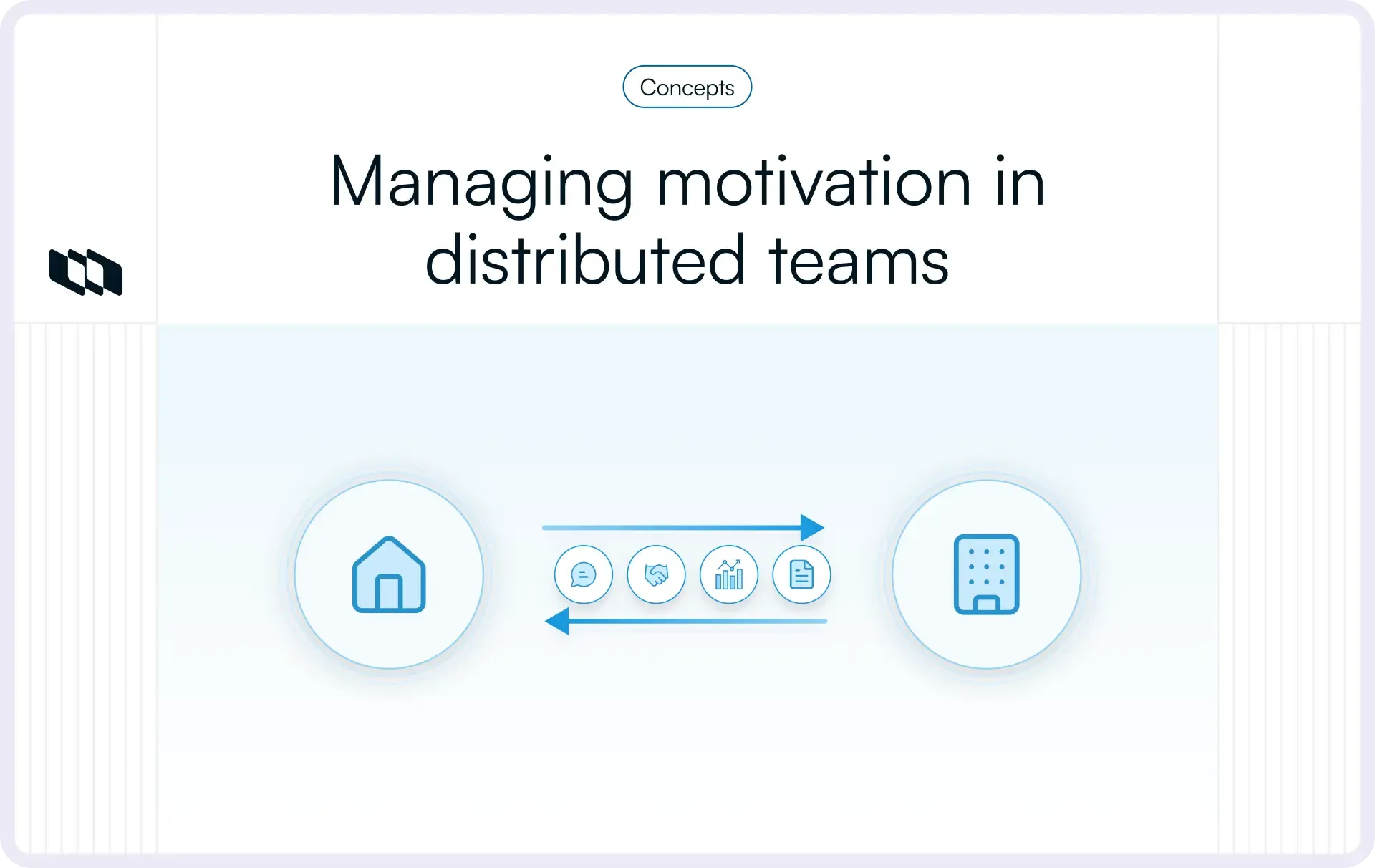
When teams worked from the same office, engagement often came from proximity. In remote and hybrid setups, engagement comes from systems. Teams stay engaged when priorities are clear, progress is visible, and support is consistent. Understanding how to keep remote and hybrid employees engaged means shifting from a presence-based management approach to a structure-driven leadership approach. This article outlines the strategies that help distributed teams stay aligned, motivated, and effective over time.
Why engagement breaks in remote and hybrid teams
Remote and hybrid employee engagement rarely breaks all at once. It weakens when everyday work systems no longer provide clarity, feedback, and connection. These gaps show up in predictable ways across distributed teams.
no longer provide
1. Lack of clarity and ownership
In remote teams, unclear priorities surface quickly. When ownership is unclear, employees spend time seeking alignment rather than making progress. Hybrid teams face this even more often when decisions are made informally on office days and communicated to remote employees later. Without shared visibility into goals, responsibilities, and next steps, engagement drops because work feels reactive rather than purposeful.
2. Weak feedback and recognition loops
Remote employee engagement depends on regular feedback, not annual reviews. When feedback arrives late or recognition stays limited to visible office moments, people struggle to understand their impact. Over time, this weakens motivation. Hybrid employee engagement suffers when recognition favors proximity instead of contribution, creating uneven experiences across the team.
3. Isolation and proximity bias in hybrid teams
Isolation affects fully remote employees when work becomes transactional, and connection fades. In hybrid setups, proximity bias creates a deeper problem. Employees who share office space gain context faster, build stronger relationships, and receive more informal input. Those working remotely feel excluded from conversations that shape decisions and opportunities. This imbalance steadily erodes trust and engagement.
What employee engagement means in distributed work
In remote and hybrid teams, employee engagement shows up in everyday execution. It reflects how clearly people understand their work, how supported they feel, and how easily they can move work forward.
1. Employees know what matters
Engaged remote employees understand priorities without needing constant clarification. Goals, deadlines, and success criteria stay visible, even as work changes. When teams know what matters right now and why, focus improves, and effort aligns naturally. This clarity plays a central role in remote and hybrid employee engagement because distance removes informal alignment.
2. They feel included and trusted
Engagement grows when employees feel trusted to own outcomes and included in decisions that affect their work. In distributed teams, inclusion depends on shared access to information, not physical presence. When communication stays transparent, and participation remains consistent across locations, hybrid employee engagement strengthens, and trust becomes part of daily work.
3. They can make progress without friction
Remote employee engagement improves when work flows smoothly. Clear ownership, accessible context, and visible progress reduce blockers and unnecessary handoffs. When people can move tasks forward without chasing updates or approvals, momentum builds. This sense of progress keeps engagement high over time.
Strategies to keep remote and hybrid employees engaged
Keeping remote and hybrid employees engaged requires deliberate systems. The following strategies focus on how work flows, how decisions are made, and how employees experience progress across locations.
1. Create predictable communication rhythms
Remote employee engagement improves when communication follows a clear rhythm rather than constant availability. Predictability helps employees plan their work and reduces mental load.
Effective teams usually align on:
- When weekly updates are shared, and where they live
- How feedback flows through one-on-ones, retrospectives, or written reviews
- How decisions are communicated and documented after meetings
For example, a team that shares async weekly updates and uses scheduled check-ins for deeper discussion creates space for focus while keeping everyone aligned. This structure supports both remote and hybrid employee engagement because employees spend less time chasing context and more time executing.
2. Separate collaboration time from focus time in hybrid teams
Hybrid teams struggle when office days turn into meeting-heavy days and remote days become fragmented. Engagement drops when employees lose control over focus time.
Effective hybrid teams:
- Reserve office days for collaboration and decision-making
- Protect remote days for focused execution
- Communicate expectations clearly for each work mode
This separation helps improve hybrid employee engagement by aligning energy with the type of work employees need to do.
3. Make work and priorities visible to everyone
Visibility sits at the center of engaging remote teams. When employees understand what is in progress, who owns it, and where the work stands, engagement naturally rises.
Strong visibility usually includes:
- Clearly defined priorities for the week or sprint
- Visible ownership for tasks and decisions
- Shared awareness of blockers and dependencies
In hybrid teams, visibility replaces informal office updates. Employees who work remotely stay engaged when they can track progress without having to ask for updates. Hybrid workforce engagement improves when information stays accessible to everyone, regardless of location or time zone.
4. Set clear ownership and expectations
Remote work highlights ambiguity quickly. When ownership stays unclear, employees hesitate, over-communicate, or duplicate effort.
Engaged remote employees benefit from:
- A clear owner for every initiative or task
- Defined outcomes that describe success
- Shared understanding of priorities when plans shift
For example, teams that define ownership upfront and align on outcomes rather than activities build confidence. Employees focus on delivering results rather than seeking approval. This clarity strengthens remote and hybrid employee engagement by reinforcing trust and accountability.
5. Design for hybrid fairness, not convenience
Hybrid employee engagement weakens when access to information favors office presence. Conversations that happen informally during office days often shape decisions, while remote employees receive context later.
Fair hybrid systems focus on:
- Documenting decisions and discussions
- Sharing recognition and feedback in public spaces
- Ensuring meeting participation stays balanced across locations
When decisions and updates live in shared systems, employees experience equal access to context. This approach reduces proximity bias and keeps hybrid teams engaged through transparency rather than convenience.
6. Turn manager check-ins into support systems
Managers play a central role in engaging remote employees effectively. Check-ins work best when they support progress rather than just collect status.
Strong check-ins usually focus on:
- What has moved forward since the last conversation
- Where blockers or dependencies exist
- How employees feel about workload and growth
For example, a manager who uses check-ins to remove obstacles and guide development builds trust. Employees feel supported rather than monitored. This habit directly improves remote employee engagement by reinforcing partnership and clarity.
7. Recognize contributions consistently and visibly
Recognition connects effort to impact, especially in distributed teams. Remote and hybrid employee engagement improves when recognition stays specific and visible.
Effective recognition practices include:
- Highlighting outcomes rather than effort alone
- Encouraging peer recognition across teams
- Sharing wins in shared channels or team updates
When recognition remains consistent, employees understand how their work contributes to shared goals. This consistency prevents proximity bias and keeps remote teams aligned around impact.
8. Support growth and wellbeing over time
Sustainable engagement comes from progress and balance. Employees stay engaged when they see growth opportunities and maintain healthy boundaries.
Support usually takes shape through:
- Regular conversations about skills and development
- Clear paths for ownership and learning
- Shared norms around focus time and availability
For example, teams that discuss growth during check-ins and respect boundaries create long-term momentum. This approach helps improve employee engagement in remote teams by aligning ambition with sustainability.
How to measure engagement and know what to improve
Remote and hybrid employee engagement becomes manageable when teams measure the right things and review them regularly. Engagement works best as a feedback system that connects employee experience to how work actually moves.
1. Track simple engagement signals in daily work
Engagement often appears in how work flows, not in formal reports. Managers can spot changes by observing how clearly employees understand priorities, how confidently they take ownership, and how smoothly work progresses.
Useful signals include:
- How often employees ask for clarification on priorities or ownership
- Whether tasks move forward without repeated follow-ups
- Participation in team updates and planning discussions
- How frequently do blockers surface early instead of late
When these signals weaken, remote employee engagement usually declines before surveys reflect it. Watching these patterns helps teams intervene early.
2. Use pulse surveys to capture employee experience
Pulse surveys help teams understand how employees feel about clarity, workload, and support. Short surveys work better than long forms because they reduce fatigue and increase honesty. Effective pulse surveys focus on:
- Clarity around goals and expectations
- Perceived support from managers
- Workload sustainability
- Opportunities for growth and learning
For remote and hybrid teams, surveys also reveal differences in experience between office-based and remote employees. This insight helps improve hybrid employee engagement by highlighting fairness gaps.
3. Close feedback loops through visible action
Engagement measurement builds trust only when employees see action. After reviewing feedback, teams benefit from sharing what they learned and what they plan to change.
Strong feedback loops usually include:
- A brief summary of key themes
- One or two changes the team will test
- A clear timeline for review
For example, if surveys highlight meeting overload, teams might adjust meeting cadence or shift updates to async formats. Revisiting the same question later helps teams see whether engagement improves.
4. Review engagement trends, not one-time scores
Engagement changes gradually. Reviewing trends over time gives teams better insight than reacting to single data points. Regular reviews help managers understand whether changes improve employee engagement in remote teams or create new friction.
By combining observable signals with feedback and follow-through, teams turn engagement into an ongoing practice rather than a periodic initiative.
Final thoughts
Keeping remote and hybrid employees engaged comes down to how well teams design their work systems. Clear communication rhythms, visible priorities, fair access to context, and consistent manager support shape engagement more than location or tools. When employees understand what matters, feel included, and can make progress without friction, engagement becomes part of daily execution. Teams that invest in clarity, visibility, and follow-through create sustainable remote and hybrid employee engagement over time.
Frequently asked questions
Q1. What is the difference between remote and hybrid work?
Remote work means employees work entirely outside a shared office, often from home or distributed locations. Hybrid work combines office-based and remote work, where employees split their time between locations. The key difference lies in how access to information, collaboration, and visibility are managed across locations.
Q2. How does remote work affect employee engagement?
Remote work affects employee engagement by removing the informal alignment and visibility that offices provide. Engagement improves when teams replace proximity with clear communication, visible priorities, and consistent feedback. Without these systems, remote employee engagement often weakens due to isolation and unclear expectations.
Q3. What are the 3 C’s of employee engagement?
The 3 C’s of employee engagement are clarity, connection, and contribution. Clarity helps employees understand what matters, connection helps them feel included and trusted, and contribution helps them see the impact of their work. These factors play a central role in remote and hybrid employee engagement.
Q4. What is meant by hybrid and remote work?
Remote work refers to teams operating fully outside a shared office. Hybrid work refers to teams that combine office-based and remote work. Both models require intentional systems to support communication, ownership, and engagement across different work environments.
Q5. What are the 5 C’s of hybrid working?
The 5 C’s of hybrid working often include clarity, communication, consistency, connection, and culture. Together, they help teams maintain fairness, visibility, and engagement across locations. These principles support hybrid employee engagement by reducing proximity bias and improving alignment.
Recommended for you



 Download for Mac
 Download for Android