Features
Marketplace
Plan and pricing
Programs
 Download for Mac
 Download for Android


The Critical Path Method is defined as a project management technique used to identify and prioritize the sequence of activities that determine the minimum time required to complete a project.
Enterprise program management is defined as the holistic oversight and governance of multiple related projects within an organization. In enterprise program management, programs are composed of several related projects that are managed as a group rather than individually.
Enterprise project management is defined as the process of managing and overseeing projects within an organization at an enterprise scale, such that projects are managed in a structured and coordinated way to achieve strategic goals.
IT project management is defined as the process of planning and executing projects to meet an organization's information technology (IT) goals.
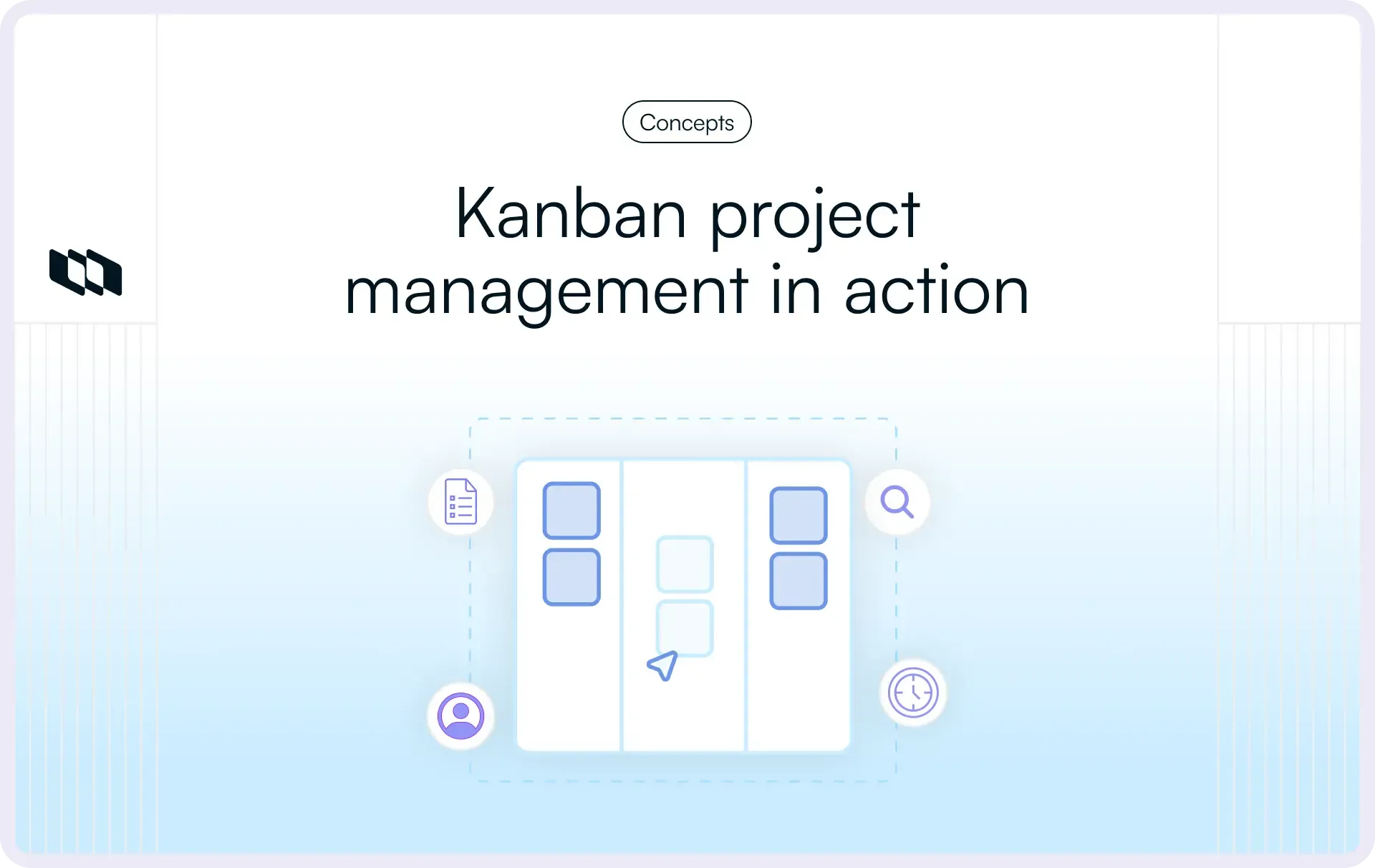
Kanban project management is defined as a visual workflow management method designed to help teams optimize the flow of work and improve efficiency.

Lean project management is defined as an approach that emphasizes maximizing value while minimizing waste in project processes.
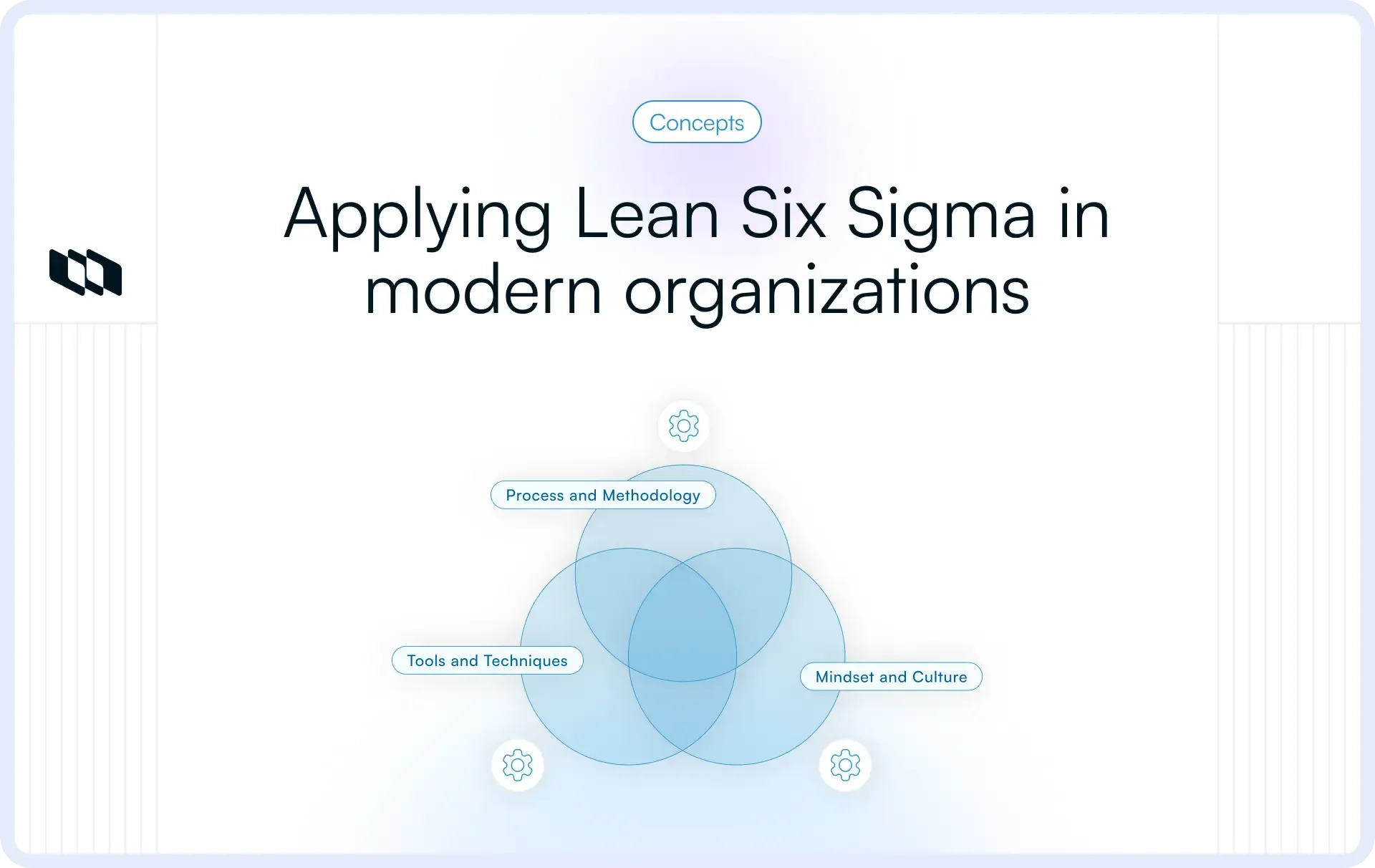
Lean Six Sigma is defined as a methodology that combines principles of Lean and Six Sigma to improve business processes by eliminating waste and reducing variability.
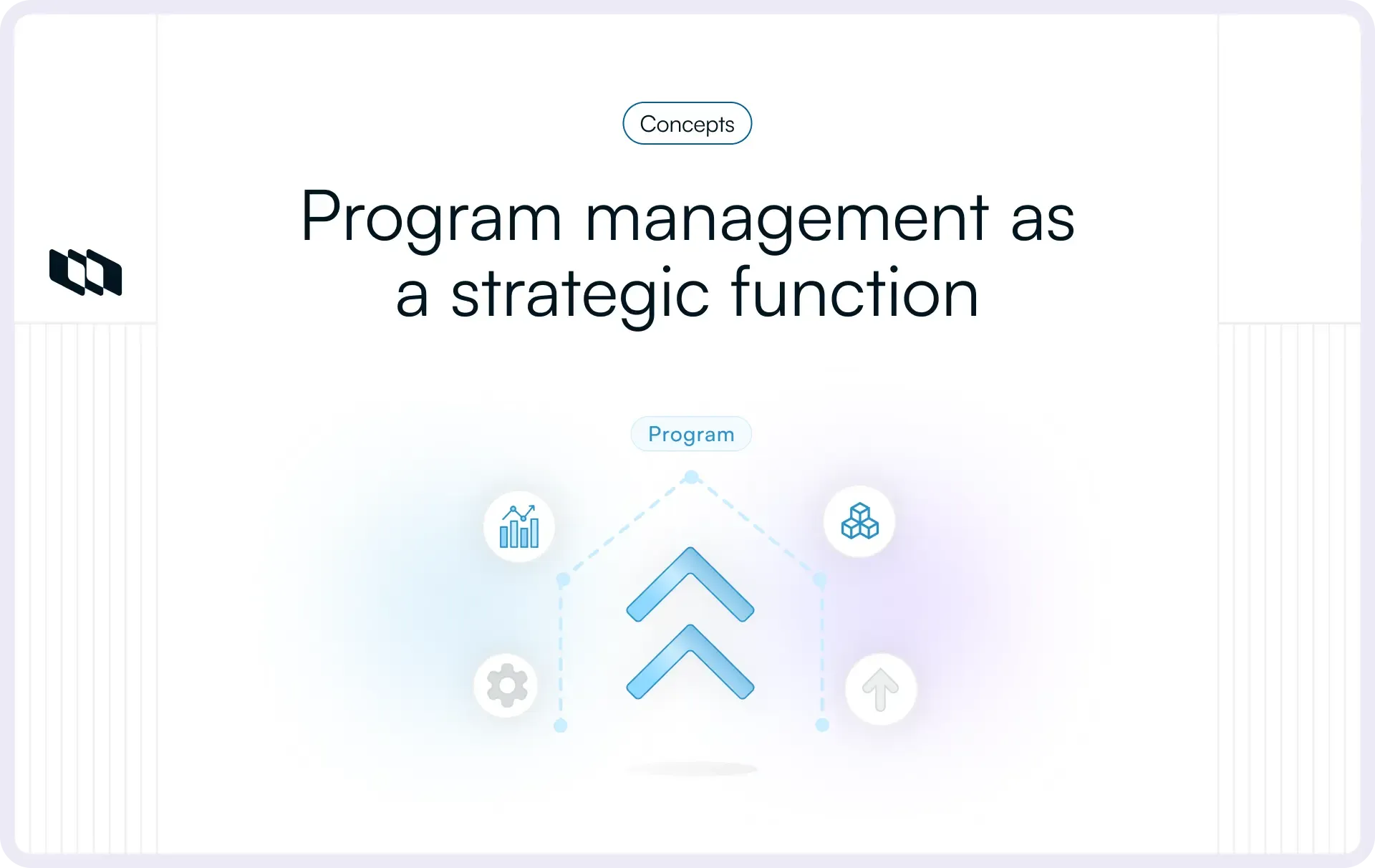
Program management is defined as the process of managing multiple related projects in a coordinated way to achieve strategic objectives. It focuses on overseeing a group of projects that are connected by a shared business goal, ensuring that they align with broader organizational objectives.
Project budget management is defined as the process of planning, allocating, monitoring, and controlling the financial resources of a project to ensure that it is completed within its approved budget.

A project budget is defined as a financial plan that estimates the total costs associated with a project over its entire duration.

Project closure is defined as the final phase of the project management process, where all activities are completed, deliverables are handed over, and the project is formally closed.

Project cycle management is defined as the structured process of managing a project from its initiation to its completion, ensuring that all stages are integrated and aligned with the project’s goals.