What is scope creep? Definition, examples and management
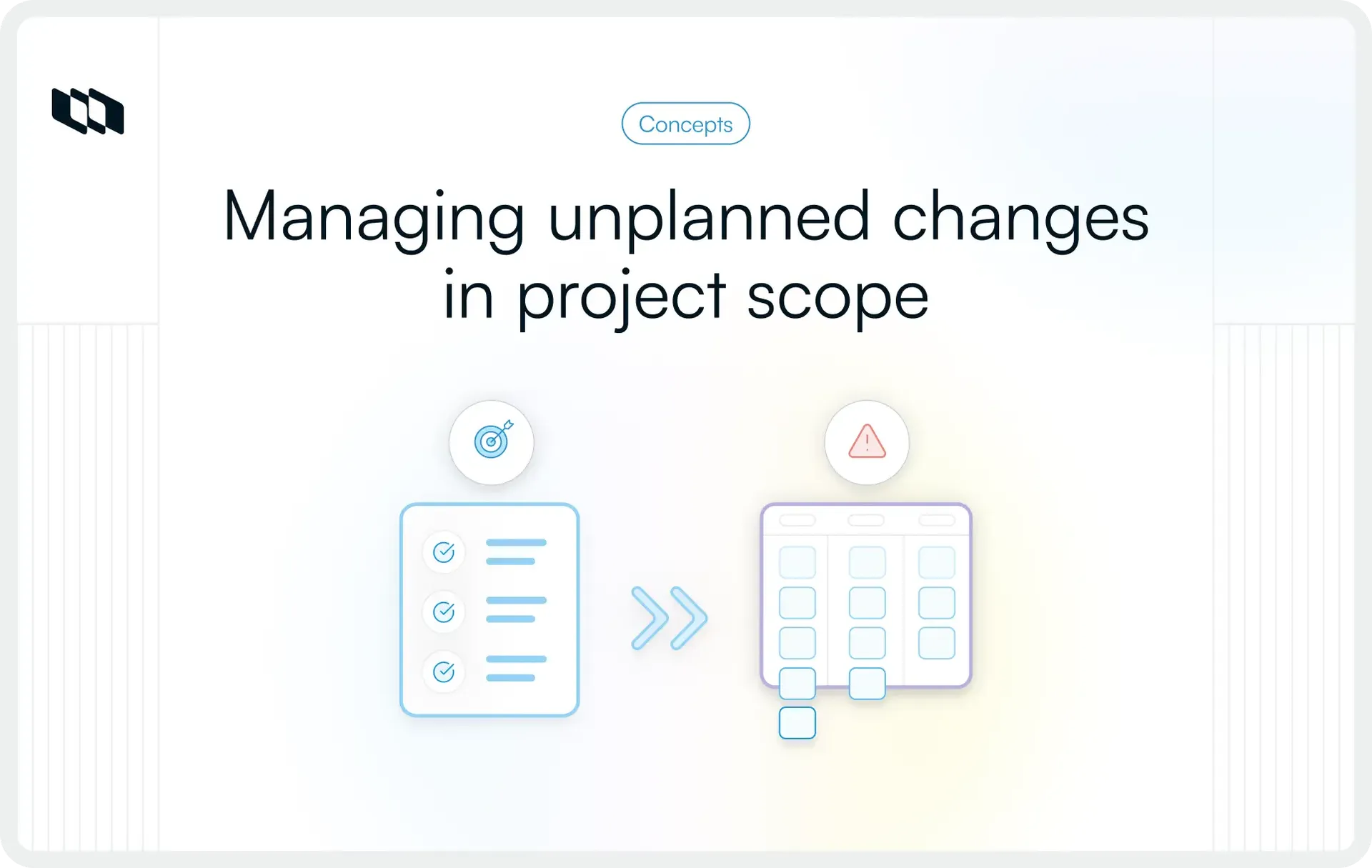
Scope creep is defined as the gradual expansion of a project’s scope beyond its original objectives, deliverables, or boundaries.
Scope creep is defined as the gradual expansion of a project’s scope beyond its original objectives, deliverables, or boundaries.
What is scope creep?
Scope creep is defined as the gradual expansion of a project’s scope beyond its original objectives, deliverables, or boundaries.
It typically results from unclear project definitions, changing stakeholder demands, or inadequate change control processes.
Scope creep can arise during any stage of the project lifecycle and is often subtle at first. A small change, such as adding a minor feature, may seem harmless but can cascade into more significant deviations from the original plan.
Over time, these incremental additions may disrupt workflows, create resource shortages, and jeopardize project goals. For example, in a mobile app development project, adding a "chat with customer service" feature late in the development phase might delay testing and increase labor costs.
Effective scope management involves defining a clear and detailed project scope during the planning phase, establishing a formal process for approving changes, and ensuring all stakeholders are aligned.
Regular communication and progress monitoring help identify potential scope changes early and ensure that they are addressed through structured discussions and decisions. For instance, project managers may use scope review meetings to assess the impact of requested changes and ensure they are consistent with the project's overall objectives.
Consider an example: a project to build an e-commerce website. Initially, the scope specifies basic functionality, such as a product catalog, shopping cart, and payment gateway. Midway through development, a stakeholder requests integrating a blog and customer review section. While these additions enhance the site, they also require additional resources, time, and testing. If these changes are implemented without formal approval or adjustments to the timeline and budget, they could lead to delays, increased costs, and resource exhaustion. This scenario highlights how scope creep can derail a project if not carefully managed.
Key factors that contribute to scope creep in projects
Scope creep is a common challenge in project management, often resulting from several underlying factors. Understanding these contributors is essential for preventing uncontrolled changes to the project scope. Below are key factors that lead to scope creep:
- Unclear project scope or objectives
A poorly defined or vague project scope creates ambiguity about what is included and excluded. This lack of clarity leads to misunderstandings among stakeholders and allows additional tasks or features to be introduced unintentionally. For example, if the scope of a software project simply states "create a user-friendly app," different stakeholders might interpret this differently, leading to scope expansions.
- Inadequate stakeholder engagement
Failure to involve all key stakeholders during the planning phase can result in overlooked requirements or late additions. Stakeholders may request new features or adjustments once the project is underway, disrupting the original scope. For instance, in a website redesign project, excluding the marketing team during initial discussions might lead to late requests for advanced analytics features.
- Frequent changes in requirements
Projects with evolving or inconsistent requirements are particularly prone to scope creep. Stakeholders may change their minds about deliverables or priorities as new ideas emerge, especially in fast-changing industries like technology. For example, in a mobile app development project, changing trends might prompt stakeholders to request new features that were not part of the original plan.
- Lack of a formal change control process
Without a structured process for evaluating and approving changes, additional tasks or features can be introduced informally, bypassing proper assessment. This often leads to unplanned work that strains resources and timelines. For example, a client might directly ask team members to implement a new feature without consulting the project manager, resulting in unauthorized scope expansion.
- Poor communication among stakeholders
Miscommunication or lack of regular updates can result in differing expectations about project deliverables. This often leads to stakeholders requesting changes to align the project with their misunderstood assumptions. For example, in a construction project, unclear communication about design specifications could lead to requests for costly modifications midway through the build.
- Over-enthusiastic team members or stakeholders
Team members or stakeholders who are overly eager to exceed expectations may propose or implement changes without fully considering their impact on the project's scope, timeline, or budget. For instance, a project team might add extra features to a product to "delight" the client, unintentionally causing delays or cost overruns.
- Insufficient project management oversight
Weak monitoring and control allow small changes to go unnoticed until they accumulate into significant scope deviations. Without regular progress reviews and scope validation, it becomes difficult to keep the project aligned with its original objectives. For example, in a large IT infrastructure project, failure to track minor software customization requests could result in significant deviations from the planned scope.
- External influences or pressures
External factors, such as market trends, competitor actions, or regulatory changes, can prompt stakeholders to request additional features or adjustments. For example, if a competitor launches a similar product with advanced features, stakeholders may push for similar enhancements, leading to scope creep.
Issues caused by scope creep
Scope creep can significantly disrupt a project, causing a range of issues that affect its timeline, budget, quality, and overall success. Below are the key problems associated with scope creep:
1. Increased costs
When additional features or tasks are added without proper planning or resource allocation, the project’s budget often exceeds its original estimates. The extra work requires more labor, materials, or tools, leading to unplanned financial strain. For example, integrating an unexpected feature into a software project might require hiring additional developers, driving up costs.
2. Extended timelines
Scope creep often results in delays as the project team must allocate time to new tasks that were not part of the original schedule. These delays can cascade, impacting the delivery of key milestones and pushing back the overall project completion date. For instance, adding extra modules to a training program could require additional weeks of content creation, disrupting the timeline.
3. Strained resources
Unplanned work puts additional pressure on available resources, including personnel, tools, and equipment. Team members may become overburdened, leading to reduced productivity, burnout, or errors in their work. For example, in a construction project, an increased scope requiring more materials could strain procurement schedules and labor availability.
4. Compromised quality
The need to accommodate new tasks or features often forces the project team to stretch their resources or rush deliverables. This can result in lower-quality outputs or incomplete work that fails to meet stakeholder expectations. For example, testing phases in a software project may be shortened to meet deadlines, increasing the likelihood of undetected bugs.
5. Loss of focus on original objectives
As new requirements are introduced, the project can lose sight of its initial goals, resulting in misalignment with stakeholder priorities. The expanded scope may dilute the project's core purpose, reducing its effectiveness. For example, in a marketing campaign, focusing on additional channels not originally planned could divert attention from critical deliverables like targeted ad content.
6. Reduced stakeholder satisfaction
Scope creep can lead to dissatisfaction among stakeholders if the expanded scope causes delays, cost overruns, or a failure to deliver on initial promises. Stakeholders may feel their needs are being neglected in favor of unapproved changes. For instance, if a project sponsor observes constant delays due to unplanned additions, their confidence in the project may wane.
7. Disrupted team dynamics
The added pressure of accommodating scope changes can create tension within the project team. Team members may feel frustrated by the lack of control over their workload, leading to reduced morale and collaboration. For example, frequent scope changes in a product design project might cause conflicts between design and development teams over priorities.
8. Increased risk of project failure
Uncontrolled scope creep can cause a project to become unmanageable, with escalating costs, extended timelines, and subpar deliverables. In severe cases, this can lead to project cancellation. For instance, a government infrastructure project might be abandoned if unplanned additions cause the budget to exceed available funding by a significant margin.
How to prevent and manage scope creep: Key best practices
Preventing and managing scope creep is essential for maintaining control over a project and ensuring its success. Below are key best practices to address scope creep effectively:
1. Define and document the scope clearly
Start with a well-defined and detailed project scope statement that outlines the project’s objectives, deliverables, exclusions, timelines, and boundaries. Include acceptance criteria to specify what constitutes successful completion. A clear and comprehensive scope minimizes ambiguity and sets expectations for all stakeholders. For example, a mobile app project might specify features like user login and payment integration while explicitly excluding a social media sharing feature.
2. Engage stakeholders from the beginning
Involve all relevant stakeholders during the project’s planning phase to gather their input on requirements and priorities. This ensures the scope reflects their expectations, reducing the likelihood of additional requests later. Regular engagement throughout the project helps keep stakeholders aligned with the agreed scope. For instance, conducting regular review meetings with clients and end-users can address their concerns early, preventing mid-project surprises.
3. Establish a robust change control process
Any requested changes to the project scope should be assessed for their impact on project timelines, budget, and resources. If approved, adjustments should be documented and communicated to all stakeholders. For example, use a change request form that includes details about the proposed change, its rationale, and its projected costs and impacts.
4. Communicate boundaries effectively
Ensure all team members and stakeholders understand what is included and excluded in the project scope. Clarity in scope boundaries prevents misunderstandings and reduces the risk of unauthorized changes. For example, providing stakeholders with a visual representation of the scope, such as a work breakdown structure, can help highlight exclusions.
5. Monitor progress and review regularly
Regularly review project progress to ensure all activities align with the defined scope. Use project management tools to track tasks and flag deviations early. Weekly status meetings and periodic scope validation can help identify and address scope-related issues before they escalate.
6. Prioritize and assess all change requests
Not all change requests are avoidable, but prioritizing and evaluating them can help prevent unnecessary expansions. Focus on high-value changes that align with project objectives, while deferring or rejecting low-priority ones. For example, in a website development project, a change to improve security might be prioritized over aesthetic tweaks.
7. Allocate contingency resources
Plan for unexpected changes by including contingency time and budget in your project plan. This helps the project absorb minor adjustments without derailing schedules or exceeding budgets. For instance, a construction project might allocate a 10% contingency fund for unforeseen material needs.
8. Leverage project management tools
Use tools like Jira, Trello, or Microsoft Project to document the scope, manage tasks, and track changes. These tools provide visibility into the project’s progress and help ensure that changes are documented and approved through proper channels.
9. Educate the team on scope management
Train project team members and stakeholders on the importance of sticking to the defined scope and following the change control process. This fosters discipline and minimizes the likelihood of unauthorized changes. For instance, a kickoff meeting might include a session on how to handle scope-related requests.
10. Learn from past projects
Review lessons learned from previous projects to identify common causes of scope creep and implement strategies to avoid them. For example, if past projects suffered from vague scope definitions, invest extra effort in creating detailed scope documents for future projects.
Recommended for you




 Download for Mac
 Download for Android