What is project timeline? Definition, examples and management
A project timeline is defined as a representation of the sequence of tasks, milestones, and completions within a project.
A project timeline is defined as a representation of the sequence of tasks, milestones, and completions within a project.
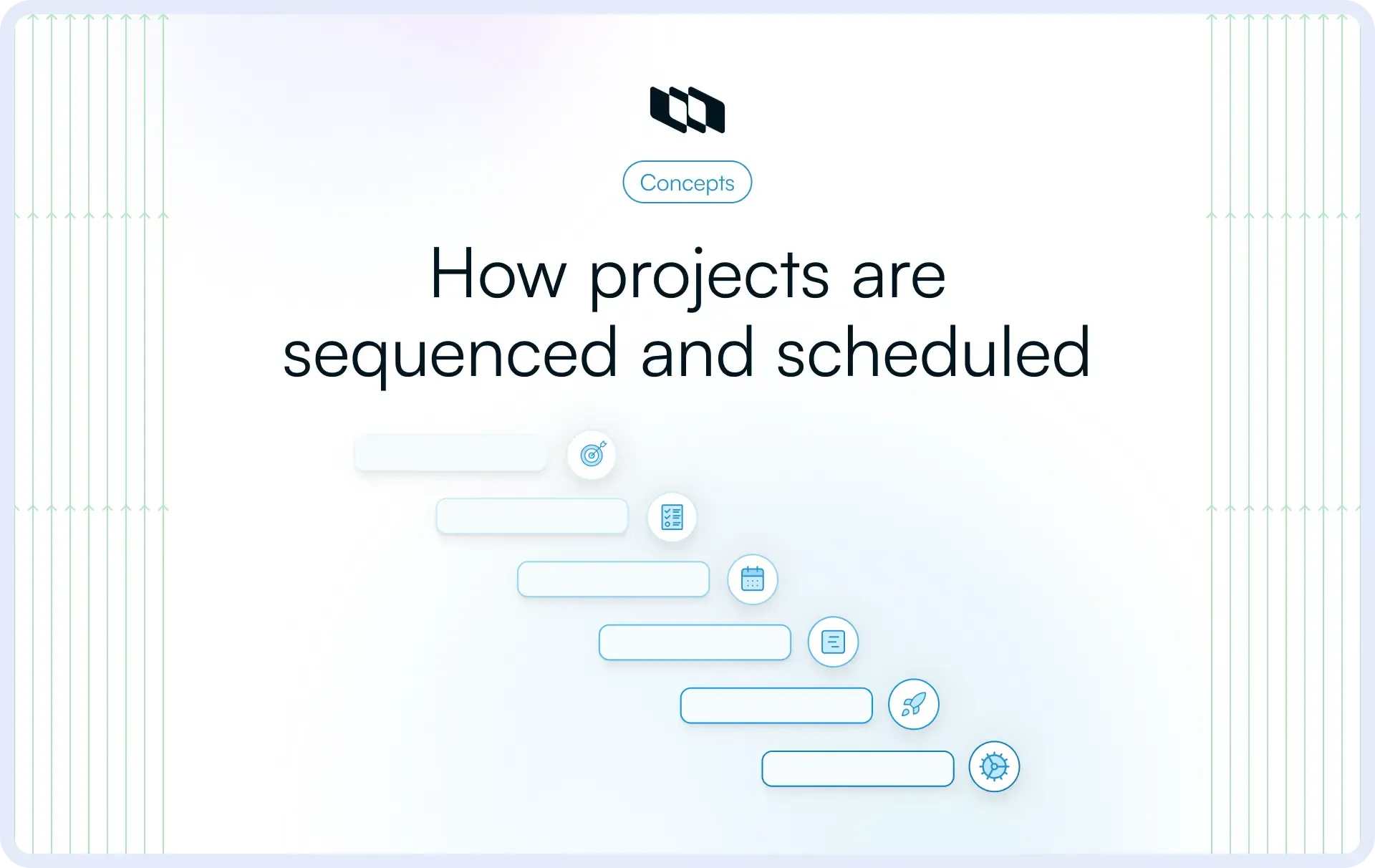
What is project timeline?
A project timeline is defined as a representation of the sequence of tasks, milestones, and completions within a project.
It serves as a roadmap that guides project teams from start to finish, showing the relationships between various tasks and their dependencies.
By breaking down the project into specific, time-bound stages, a timeline helps ensure that each activity is planned and executed in the proper order. This structured layout allows project managers and stakeholders to understand the full scope of the project and how each task fits within the larger plan.
In project management, a well-defined timeline is essential for setting expectations, tracking progress, and maintaining accountability. It aligns all team members on key dates and deadlines, which helps minimize delays and manage resources effectively.
Through regular timeline updates, project managers can monitor if tasks are on track or if adjustments are needed due to unforeseen issues. Clear timelines also help identify potential bottlenecks early, allowing the team to proactively address risks and keep the project on schedule.
Project timelines often include a combination of start and end dates, task durations, dependencies, and milestones. Milestones are significant points in the project, such as the completion of a critical task or the start of a new phase. Dependencies show how tasks are linked, indicating that one task must be completed before another can begin. By showing these details, a timeline provides a structured overview that keeps the project organized, helping teams focus on completing tasks efficiently and in sequence. It also serves as a communication tool to keep stakeholders informed of progress, expectations, and any potential delays.
For example, consider a marketing campaign project for a product launch. The project manager creates a timeline that includes tasks such as initial research, content creation, media planning, and the actual launch event. Each task has specific start and end dates, and dependencies are noted; for instance, content creation must be completed before media planning can begin. Key milestones, like completing the campaign design or launching social media ads, are also marked on the timeline. The timeline helps the marketing team understand their deadlines and prioritize tasks, and it provides a clear overview for stakeholders, who can easily follow along and track the campaign’s progress up to the product launch.
Key components in planning project timeline
Creating an effective project timeline involves several key components that structure the project’s workflow, organize tasks, and set clear deadlines. Each component helps define, organize, and sequence project activities, ensuring that tasks are completed in a logical order and that the project stays on track. Here are the essential components of a project timeline:
1. Project goals and objectives
Goals outline the desired outcomes, while objectives specify measurable results and steps to achieve them. Understanding these elements ensures that the timeline aligns with what the project seeks to accomplish, allowing the team to structure tasks around meeting these goals and providing clarity on priorities.
2. Task breakdown and sequencing
Breaking down the project into specific tasks or work packages is critical for detailed planning. Each task represents a manageable unit of work with a clear purpose, allowing for easier assignment and tracking. Sequencing these tasks is equally important, as it ensures tasks are arranged in a logical flow. Task dependencies are also identified at this stage, showing which tasks need to be completed before others can begin.
3. Time estimation and deadlines
Estimating the time required for each task helps set realistic deadlines, allowing the project manager to build an achievable timeline. Accurate time estimates consider the complexity of each task, the availability of resources, and potential delays. By assigning deadlines, the project manager provides the team with clear expectations, helping them focus on completing work within a defined timeframe and supporting overall project scheduling.
4. Milestones and key deliverables
Milestones are significant points or achievements within the project, marking the completion of major tasks or phases. Key deliverables are tangible outputs required at various stages. Adding milestones and deliverables to the timeline provides clear checkpoints to measure progress and ensures stakeholders are aware of when to expect critical outcomes. Milestones also serve as motivation for the team, as reaching them signals forward momentum and keeps the project on track.
5. Resource allocation
Allocating resources—such as team members, equipment, and budget—ensures that tasks have the necessary support to be completed on time. Resource planning is an integral part of the timeline, as it identifies who is responsible for each task and what they need to accomplish it. This helps prevent resource conflicts and ensures a balanced workload across the team, optimizing efficiency and helping avoid delays.
6. Risk management planning
Identifying potential risks and planning responses is essential for a resilient project timeline. By incorporating contingency plans, the project manager can anticipate and address issues that may impact the schedule, such as resource shortages or unforeseen technical challenges. This proactive planning helps the project stay on track despite setbacks and reduces the need for last-minute adjustments.
7. Regular review and updates
A project timeline should be flexible enough to accommodate necessary changes. Regularly reviewing and updating the timeline allows the project manager to adapt to new information, address delays, and keep stakeholders informed of progress. Regular check-ins also provide opportunities for the team to discuss any challenges and adjust resources or deadlines as needed to stay aligned with project goals.
Examples of project timeline
Below are a few examples of how timelines can be structured for different types of projects, highlighting the key elements like tasks, milestones, deadlines, and dependencies.
1. Software Development Project Timeline
Project: Developing a new mobile application
Timeline Structure:
- Phase 1: Project initiation and planning (2 weeks)
- Task 1: Gather requirements from stakeholders (3 days)
- Task 2: Create a project plan and timeline (2 days)
- Milestone: Project plan approved (end of week 2)
- Phase 2: Design and prototyping (4 weeks)
- Task 3: Create wireframes and UI design (2 weeks)
- Task 4: Develop app prototype (2 weeks)
- Milestone: Prototype review and approval (end of month 1)
- Phase 3: Development (6 weeks)
- Task 5: Code core functionality (3 weeks)
- Task 6: Implement features (2 weeks)
- Task 7: Integrate third-party services (1 week)
- Milestone: Beta version ready for testing (end of month 2)
- Phase 4: Testing and debugging (4 weeks)
- Task 8: Perform unit testing and fix bugs (2 weeks)
- Task 9: Conduct user acceptance testing (2 weeks)
- Milestone: Application passed QA testing (end of month 3)
- Phase 5: Launch preparation and deployment (2 weeks)
- Task 10: Prepare marketing materials and release notes (1 week)
- Task 11: Deploy app to app stores (1 week)
- Milestone: App launched (end of month 4)
2. Marketing Campaign Timeline
Project: Launching a new product through an online marketing campaign
Timeline Structure:
- Phase 1: Pre-launch planning (3 weeks)
- Task 1: Define campaign goals and target audience (1 week)
- Task 2: Develop creative assets (images, videos, copy) (2 weeks)
- Milestone: Campaign creative finalized (end of week 3)
- Phase 2: Campaign setup (2 weeks)
- Task 3: Set up social media ads and content calendar (1 week)
- Task 4: Build landing page and email sequence (1 week)
- Milestone: Marketing materials ready for launch (end of week 5)
- Phase 3: Launch and promotion (4 weeks)
- Task 5: Launch social media ads and email marketing (2 weeks)
- Task 6: Conduct influencer marketing outreach (1 week)
- Task 7: Run promotions and contests (1 week)
- Milestone: Campaign live (end of week 9)
- Phase 4: Post-launch analysis and optimization (2 weeks)
- Task 8: Monitor performance metrics (1 week)
- Task 9: Adjust campaign based on results (1 week)
- Milestone: Campaign conclusion and results analysis (end of week 11)
3. Event Planning Timeline
Project: Organizing a corporate conference
Timeline Structure:
- Phase 1: Event concept and planning (1 month)
- Task 1: Define event objectives and audience (1 week)
- Task 2: Secure venue and event date (2 weeks)
- Milestone: Event concept approved (end of month 1)
- Phase 2: Event coordination (2 months)
- Task 3: Confirm speakers, sponsors, and vendors (1 month)
- Task 4: Design event materials and program schedule (1 month)
- Milestone: Event materials finalized (end of month 3)
- Phase 3: Promotion and marketing (1 month)
- Task 5: Launch event website and registration (2 weeks)
- Task 6: Promote through social media and email (2 weeks)
- Milestone: Registration opens (end of month 4)
- Phase 4: Event execution (1 week)
- Task 7: Set up event space (2 days)
- Task 8: Host event (2 days)
- Milestone: Event completion (end of week 5)
- Phase 5: Post-event follow-up (2 weeks)
- Task 9: Send thank-you notes and gather feedback (1 week)
- Task 10: Analyze event success and share results (1 week)
- Milestone: Event report completed (end of week 7)
Best practices for project timeline management in 2024
Effective project timeline management is critical to ensuring that a project stays on track, within scope, and meets its deadlines. Best practices in timeline management help improve efficiency, minimize delays, and enhance overall project success. Here are some best practices for managing a project timeline:
1. Define Clear Project Milestones and Deadlines
Clearly defined milestones are crucial for tracking progress and ensuring that key deliverables are met on time. By setting specific milestones—such as the completion of key tasks or project phases—you create clear points to assess progress and make necessary adjustments. Deadlines should be realistic and based on task complexity, resource availability, and dependencies, ensuring that the timeline remains achievable.
2. Break the Project Into Manageable Tasks
Decompose the project into smaller, well-defined tasks or work packages. Each task should have a clear outcome and deliverable, with its own timeline. Breaking down the project into smaller chunks makes it easier to allocate resources, manage risks, and track progress. This approach also helps prevent task overload and ensures that no part of the project is neglected.
3. Identify Task Dependencies and Constraints
Understand the relationships between tasks by identifying dependencies—where one task must be completed before another can start. This is essential for creating an accurate timeline and avoiding delays. For example, in a software development project, coding a feature depends on completing the design. Identifying these dependencies upfront helps in scheduling tasks efficiently and preventing bottlenecks.
4. Allocate Resources Effectively
Ensure that resources (team members, equipment, budget) are allocated according to the tasks and deadlines. Resource allocation is essential for meeting the project’s timeline without overburdening the team. If resources are scarce or not utilized efficiently, it can lead to delays. Adjust the timeline and task allocation as needed if unexpected resource shortages occur.
5. Use Project Management Tools and Software
Leveraging project management tools or software can help visualize the timeline and track progress more effectively. Tools like Gantt charts, Kanban boards, and timeline trackers provide a visual overview of tasks, deadlines, and dependencies, allowing teams to stay organized. These tools also allow for real-time updates, making it easier to adjust the timeline as needed and communicate changes to the team.
6. Set Realistic and Achievable Timelines
Be realistic when setting the project timeline. Overly ambitious timelines can set the project up for failure and cause stress within the team. Take into account possible delays, unforeseen challenges, and the complexity of each task. Consult with team members and stakeholders to understand the amount of time needed for each task and phase to ensure that the timeline is both challenging and achievable.
7. Monitor Progress Regularly
Frequent check-ins or status meetings allow the team to identify potential delays early and make adjustments where necessary. This proactive approach helps prevent small delays from snowballing into bigger issues and keeps the project on track. Adjust the timeline as needed but be sure to communicate any changes to stakeholders promptly.
8. Allow for Flexibility and Buffer Time
Although it’s important to stick to the timeline, it’s also crucial to build in some flexibility. Allow buffer time for unforeseen issues, such as delays in task completion or unexpected resource unavailability. This buffer can act as a cushion to absorb minor setbacks without significantly affecting the overall project schedule.
9. Risk Management and Contingency Planning
Risks like resource shortages, scope creep, or unforeseen technical challenges can delay the project if not anticipated. By planning for these risks, you can adjust the timeline in advance or take preventive measures to mitigate their impact.
10. Communicate Effectively with Stakeholders
Consistent communication with stakeholders is essential throughout the project. Regularly update them on the project’s progress, any issues encountered, and whether the timeline needs adjusting. Transparency ensures stakeholders are aligned with project expectations and helps manage their concerns if there are delays or changes to the timeline.
11. Review and Adjust the Timeline Continuously
If tasks take longer than expected or additional tasks arise, update the timeline to reflect these changes. Frequent adjustments help keep the timeline accurate and aligned with the project’s evolving scope and progress.
12. Document Changes and Decisions
When making adjustments to the project timeline, document the changes and the reasons behind them. Keeping a record of timeline modifications and decisions helps in tracking how the project evolved and provides valuable insights for future projects. This practice also helps ensure accountability and transparency.
Recommended for you



 Download for Mac
 Download for Android